

Affair Recovery Coaching for Couples in Colorado
Geoff Laughton provides private, nonclinical coaching to help couples confront the affair, evaluate what repair requires, and choose the next responsible action. Meet in Erie or online anywhere in Colorado.
30 Years of Relationship Work
Shaped by a Four-Decade Marriage
Online & In-Person Appointments
Two-Time Bestselling Author
Address What Keeps Your Relationship Stuck
Recurring questions, defensive reactions, and inconsistent explanations can prevent either partner from moving forward. Coaching directs the conversation toward three essential tasks.
Establish the Truth About the Affair
Lay out facts, omissions, and remaining questions in one clear account that both partners must addres
Responsibility for the Affair
Separate relationship problems from the decision to cross a boundary and the lasting damage it created.
Set Clear Terms for Rebuilding Trust
Establish clear boundaries, transparency, and repeated actions needed before trust may begin to return.
Work With a Direct, Experienced Relationship Coach
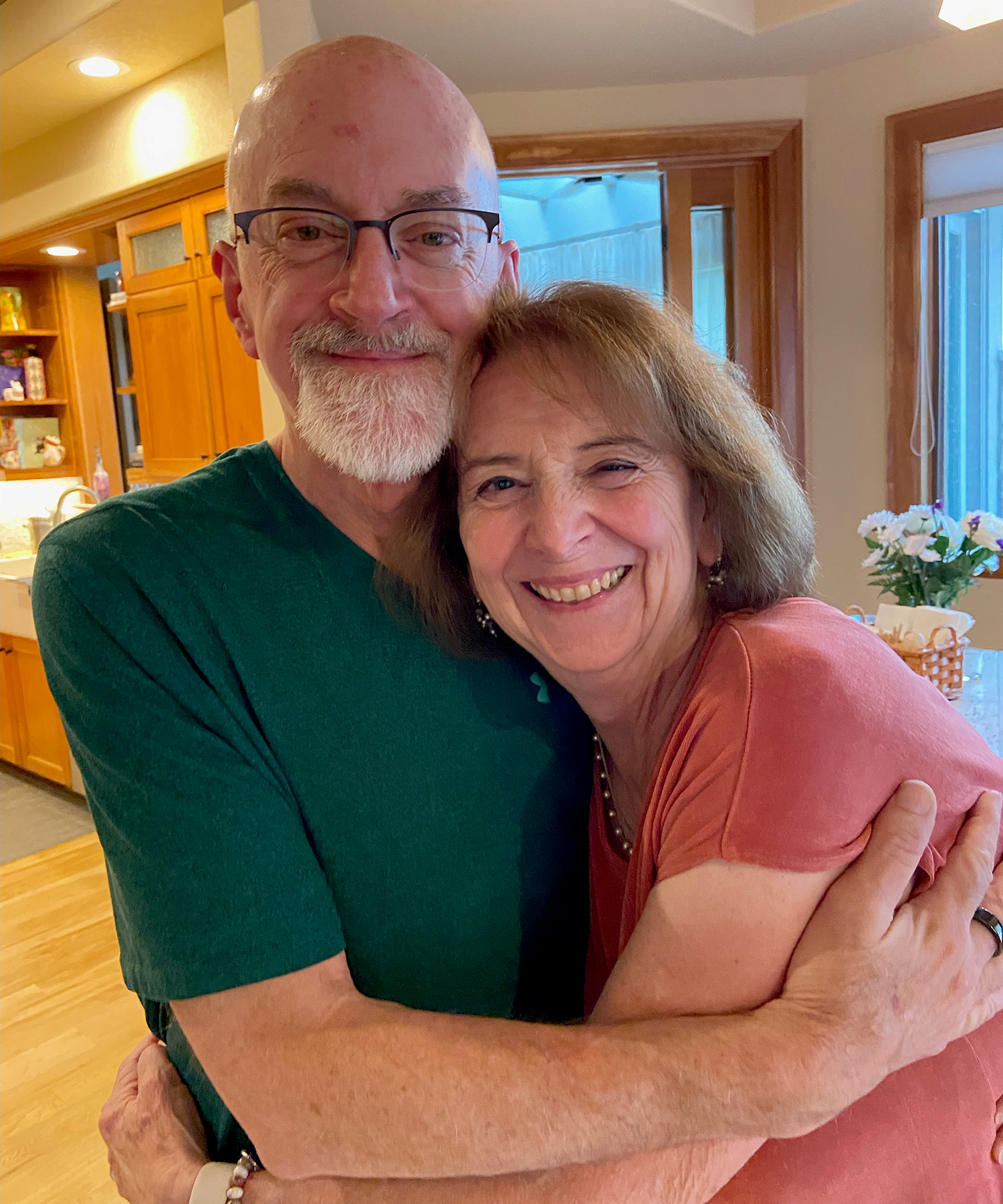
Geoff has coached hundreds of individuals and couples for more than 30 years. His approach also draws from the lived perspective of a four-decade marriage.
Relationship coaching after infidelity focuses on honest reflection, personal responsibility, communication, decisions, and follow-through. Geoff won’t prescribe forgiveness or decide if you should stay in the relationship.
Geoff isn’t a licensed counselor or mental health professional. Coaching doesn’t diagnose or treat trauma, anxiety, depression, substance use, or other mental health conditions. Choose a licensed therapist when clinical assessment or treatment is needed. Review Geoff’s professional scope and coaching terms.
Begin with a 75-minute Relationship Appraisal
The appraisal examines what happened, what remains unresolved, and what requires attention before either partner commits to ongoing coaching.
Describe Your Reality With Honesty
Discuss the affair, unresolved questions, and what each partner needs from one private conversation.
Identify What Blocks Honest Repair
Identify the defenses, assumptions, and unresolved choices that keep trust from gaining firm ground.
Commit to Clear Next Actions Today
Choose practical actions, firm boundaries, and questions that support the next responsible decision.
Meet in Erie or Online Across Colorado
Meet with Geoff in person at 904 Koss Street in Erie or attend online from a private space anywhere in Colorado. The Erie office is convenient to Boulder County, the northern Denver metro, Longmont, Lafayette, Louisville, and Broomfield.
Online infidelity recovery coaching supports couples in Denver, Fort Collins, Colorado Springs, mountain communities, the Western Slope, and other parts of the state without requiring a long drive.
What couples say about working with Geoff
“Through several acts of honesty and vulnerability, guided by Geoff, we discovered that we could trust ourselves and the relationship to hold whatever came up…in a spirit of adventure and growth.”
 Sean and Diane Atsatt
“Geoff is a very caring and effective coach who really helped my husband and I get back on a good footing. I highly recommend him for anyone wanting to upgrade the quality of their relationships.”
Sandra Winter
Questions about affairs counseling in Colorado
Can a relationship truly heal after infidelity?
Yes, some relationships rebuild after an affair, but no coach or therapist can guarantee that outcome. Repair requires the affair to end, honest answers, responsibility for the harm, respected boundaries, consistent behavior, and voluntary effort from both partners.
What type of therapist is best for infidelity?
Consider a licensed marriage and family therapist, professional counselor, psychologist, or clinical social worker with experience in couples work and infidelity. Ask about credentials, relevant training, safety screening, and the provider’s approach to accountability and conflicting goals.
When should you walk away after infidelity?
There is no universal deadline. Continued deception, ongoing contact with the affair partner, coercion, threats, abuse, or refusal to accept responsibility may make joint work unsafe or ineffective. Seek individual professional support when personal safety is uncertain.
Why are affairs so hard to end?
Secrecy, novelty, emotional attachment, fantasy, avoidance, and intermittent contact can reinforce the connection. Ending an affair usually requires a firm decision, direct communication, and boundaries that prevent private contact from quietly resuming.
How many marriages survive after infidelity?
There is no single reliable percentage. Research results vary according to how infidelity is defined, which couples are studied, and how long they are followed. Remaining married also doesn’t prove that trust, security, or intimacy has been restored.
Decide What Comes After the Affair
You don’t need to promise forgiveness, reconciliation, or separation before asking for help. Use the Relationship Appraisal to examine what happened, what each partner is prepared to do, and what the next responsible step requires.
