Marriage Counseling and Couples Counseling Colorado
Book Your Relationship Appraisal from One of Colorado’s Most Effective Counselors
Design, Build and Maintain Your Ideal Relationship.
Deciding to seek relationship counseling is a big step. Often, many people think entering into couples counseling is a sign of weakness in the relationship or marriage, but really, it’s a sign of strength that you and your partner are committed to working it out. Waiting too long can often have worse consequences than getting it when there are early signs of disconnection, emotional isolation, and even subtle abuse.
Here at Your Relationship Architect, we are committed to helping you design the relationship of your dreams –the one that you know deep down is possible. As your coach, educator, and trained marriage counselor of 30+ years, I’m here to guide you through finding a marriage counselor you feel strongly about.
I hope you find my complete guide to marriage counseling helpful! ~Geoff Laughton

Understanding the Basics of Marriage Counseling
Before finding the right couples counselor, let’s begin by asking this simple question: what is marriage counseling?
Marriage counseling is an essential lifeline for strained relationships. Relationships can become difficult to navigate across time as values shift, real-life stressors stack, and misunderstandings occur.
Additionally, couple’s counseling provides a structured setting where you can express emotions and thoughts openly, fostering a deeper understanding between you and your partner. This environment encourages honest communication, which is vital for healing and growth.
Whether the issue is a breakdown in communication, persistent disagreements, or emotional distancing, counseling addresses these problems head-on, helping you and your partner find common ground and reconnect.
Marriage Counseling Effectiveness (Backed by Science)
When it comes to marriage counseling, timing and consistency can make a world of difference.
Research shows that couples who seek help early on tend to fare better than those who wait, and attending counseling regularly enhances progress.
Untreated Couples do Worse
Untreated couples often find themselves stuck in a cycle of disconnection and frustration, and it’s a cycle that can feel impossible to break.
Couples counseling has a proven success rate of 65-70%, meaning many relationships improve significantly when couples commit to the process.
Timing is a Big Deal
Timing is everything when it comes to marriage counseling, and understanding this can make all the difference. Many couples wait an average of six years before seeking help, often viewing counseling as a last resort rather than a proactive step.
By addressing relationship difficulties early, you can transform toxic patterns into opportunities for growth. Effective communication with your counselor is crucial; the sooner you engage, the more progress you can achieve.
Remember, recognizing issues before they escalate leads to more effective counseling outcomes.
Session Frequency Matters
Engaging in marriage counseling is a significant step toward healing and growth, but how often you meet with your counselor can greatly influence your experience.
Research shows that couples who attend more counseling sessions—averaging 11.5 to 26—experience greater improvements in their relationships. Consistent couple counseling fosters deeper connections, allowing you and your partner to tackle issues together and build trust.
Both spouses need to commit to this process, as shared goals enhance the effectiveness of counseling.
The Benefits of Relationship Counseling

Exploring the benefits of relationship counseling can significantly elevate your understanding of personal dynamics and improve your interactions with others. By engaging in individual relationship ounseling, you’ll foster self-awareness, which in turn enhances the quality of your relationships. This process promotes self-discovery, helping you clarify your personal values and boundaries, crucial for healthy interactions.
Couples coaching also develops your communication skills, reducing misunderstandings and the potential for hurt feelings. You’ll learn to listen more effectively, encouraging open dialogue and validating your partner’s feelings, even during conflicts. Moreover, you’ll acquire respectful argument techniques that preserve the integrity of your relationship when disagreements arise.
Additionally, this coaching provides a safe space for you to explore personal issues, encouraging accountability and responsibility. It aids in developing healthier relationship patterns and emotional intelligence, contributing to a more fulfilling life.
Ask Important Questions When Vetting Counselors
When you’re choosing a marriage counselor in Colorado, asking the right questions can clarify if you’re a good fit.
Here are some you can ask for your first meeting:
- What qualifications and specialized training do you have in marriage counseling?
- Can you describe your approach to handling conflicts between couples?
- What success have you seen with issues similar to ours?
- How do you measure progress in coaching?
- What’s your stance on integrating individual and couples counseling?
Hi, I’m Geoff – Your Relationship Architect

Hi, I’m Geoff Laughton, a relationship coach, marriage counselor, speaker, facilitator, and two-time international bestselling author located in Erie, Colorado. For over 30 years, I’ve helped hundreds of clients and couples from all walks of life improve their relationships. I’m certified in NLP and have led numerous workshops, retreats, and spoken at various events.
My wife and I have been together for 40 years, so I know firsthand the ups and downs of a long-term relationship. I’m here to be your line of support as you go through any challenges you may face in life. My goal is to support you in the service of creating harmony in view of life’s greater picture. I’ll be there to help you find connection where there was none before.
I also offer individual counseling sessions for those who have mental health concerns and am available for home appointments where I live in Erie, Colorado.
Common Challenges Addressed in My Coaching Practice

Relationships aren’t built on quick fixes. They require thought, intention, and a solid foundation. At Relationship Architect, I understand that your relationship might be experiencing some rough patches, and that’s perfectly okay. From life transitions like divorce or job loss to ongoing conflicts or poor communication, these are hurdles many couples face. You’re not alone, and I’m here to help you navigate these challenges.
Sometimes, the pain runs deeper—internal battles with anxiety or depression that trickle into your partnership. Counseling isn’t just a way to deal with these mental health concerns; it’s an opportunity to help both of you understand, support, and uplift each other more fully.
Remember, seeking help isn’t a sign of weakness but a courageous step toward building something stronger.
One common misconception is that counseling is only for the severely troubled or that it provides instant solutions. Real progress comes from patience, dedication, and willingness to grow together. Engaging in coaching signifies a brave commitment to improving your life and relationships. It’s about growth and learning to cope with life’s hurdles as a team.

Couples Counseling Techniques I Use
There’s no one-size-fits-all when it comes to relationship counseling. What works wonders for one couple may not resonate with another. That’s why I draw from various evidence-based techniques that are tailored to your unique needs. Whether it’s the Gottman Method, the Developmental Model, or Emotionally Focused Therapy (EFT), each approach offers something distinct.
Understanding these methods will help us find the best fit to improve communication, deepen emotional bonds, and create a stronger partnership.
Here are the most common methods used in my practice among many others:
What is the Gottman Method?
Imagine your relationship as a house. The Gottman Method, developed by Drs. John and Julie Gottman, offers a blueprint to strengthen your relationship’s foundation. Grounded in research and focused on building a deep, lasting connection, this approach goes beyond band-aid fixes. It’s about nurturing the kind of love that lasts.
Here’s what sets the Gottman Method apart:
- Deep Emotional Connections: You’ll gain insight into each other’s inner worlds, fostering empathy and understanding.
- Conflict Management: Learn how to navigate disagreements without damaging your relationship.
- Life Dreams and Aspirations: Support one another in achieving shared dreams and honoring individual goals.
- Building Friendship: A strong friendship serves as the bedrock of a resilient relationship.
- Evidence-Based Tools: Implement strategies that have been proven to work, resolving conflicts more peacefully.
What is the Developmental Model for Couples Therapy?
Every relationship goes through stages of development, just like individuals do. The Developmental Model, created by Ellyn Bader and Peter Pearson, maps your relationship’s growth alongside early childhood stages. Instead of viewing challenges as setbacks, this model sees them as opportunities for growth.
By focusing on differentiation and attachment theory, this approach helps you identify where you and your partner are in the developmental stages of your relationship. We’ll work together to navigate these phases—whether you’re bonding, differentiating, or approaching synergy—to help you better understand and support each other’s growth.
Therapeutic exercises will reveal emotional vulnerabilities, challenge unhelpful beliefs, and deepen your empathy. The aim isn’t just to fix problems, but to create a shared vision of what your relationship can become.
What is Emotionally Focused Therapy (EFT)?
Emotions are the heartbeat of any relationship. Developed by Dr. Sue Johnson, EFT dives deep into the emotional landscape of your partnership. It’s about understanding the cycles that lead to disconnection and learning to create new patterns that foster closeness.
Here’s what you can expect:
- Understanding the Cycle: Recognizing the patterns that cause feelings of disconnection.
- Breaking Patterns: Learning to halt negative cycles and replace them with positive, meaningful interactions.
- Emotional Safety: Creating a safe space to express your vulnerabilities.
- Attachment and Healing: Addressing past wounds that may be impacting your relationship today.
- Unified Approach: Building a partnership that’s strong enough to tackle life’s challenges together.
EFT isn’t about temporary fixes; it’s about transforming the emotional foundation of your relationship to create a deeper, more enduring bond.
What to Expect in Your First Session
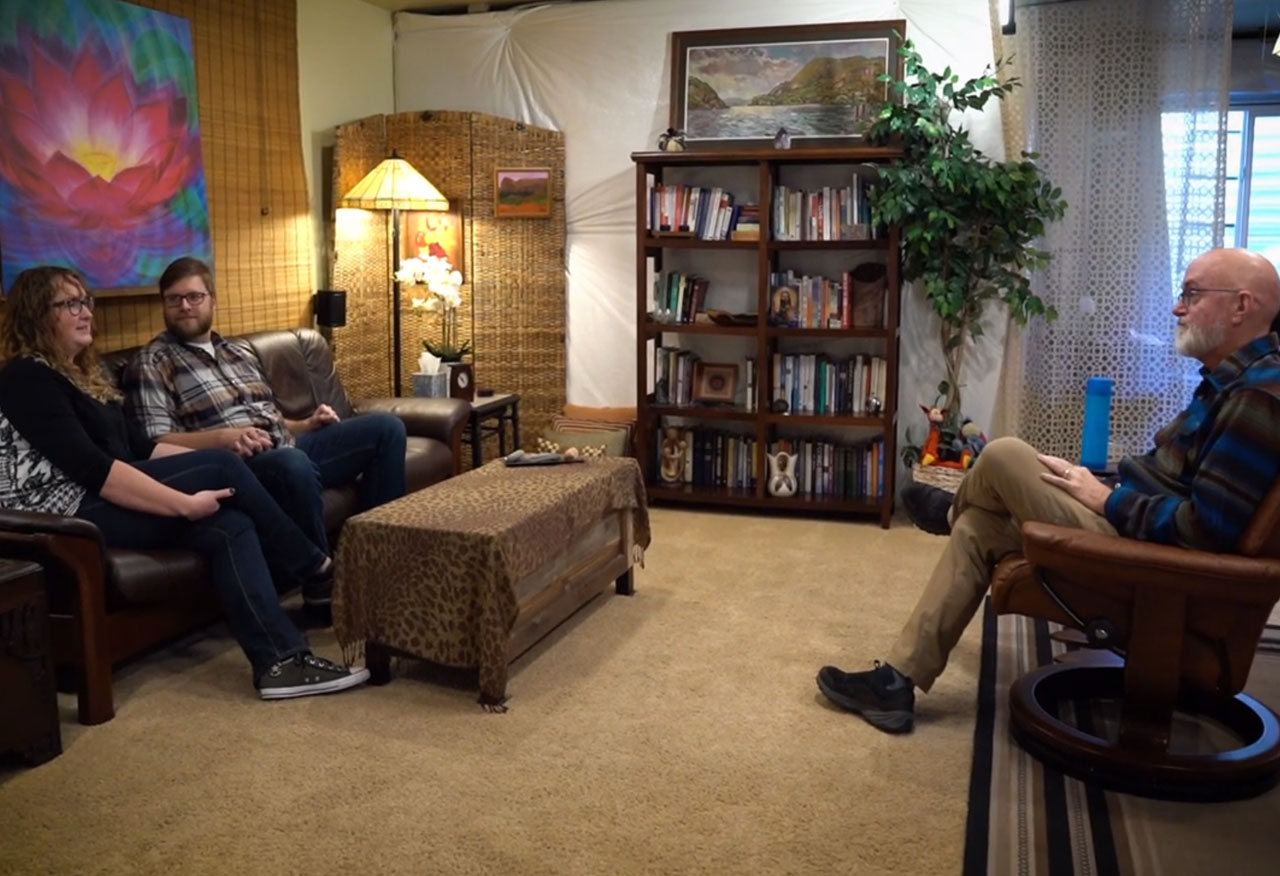
In our first session, we’ll explore the history of your relationship and dive into the specific challenges you’re facing. Whether it’s communication breakdowns, intimacy struggles, or parenting conflicts, we’ll start setting goals to address these issues head-on. This initial meeting is crucial as it sets the tone for what’s to come and helps build a strong, trusting connection.
Your willingness to be open and honest allows me to tailor a plan that aligns with your unique needs. It’s okay if you don’t have all the answers right away—our goal-setting will evolve as we go deeper into your relationship dynamics.
Book Your Relationship Appraisal Today

What happens in the Relationship Appraisal session?
Your Private Relationship Appraisal Session with Geoff Laughton is a safe, non-judgmental, and open-hearted space to:

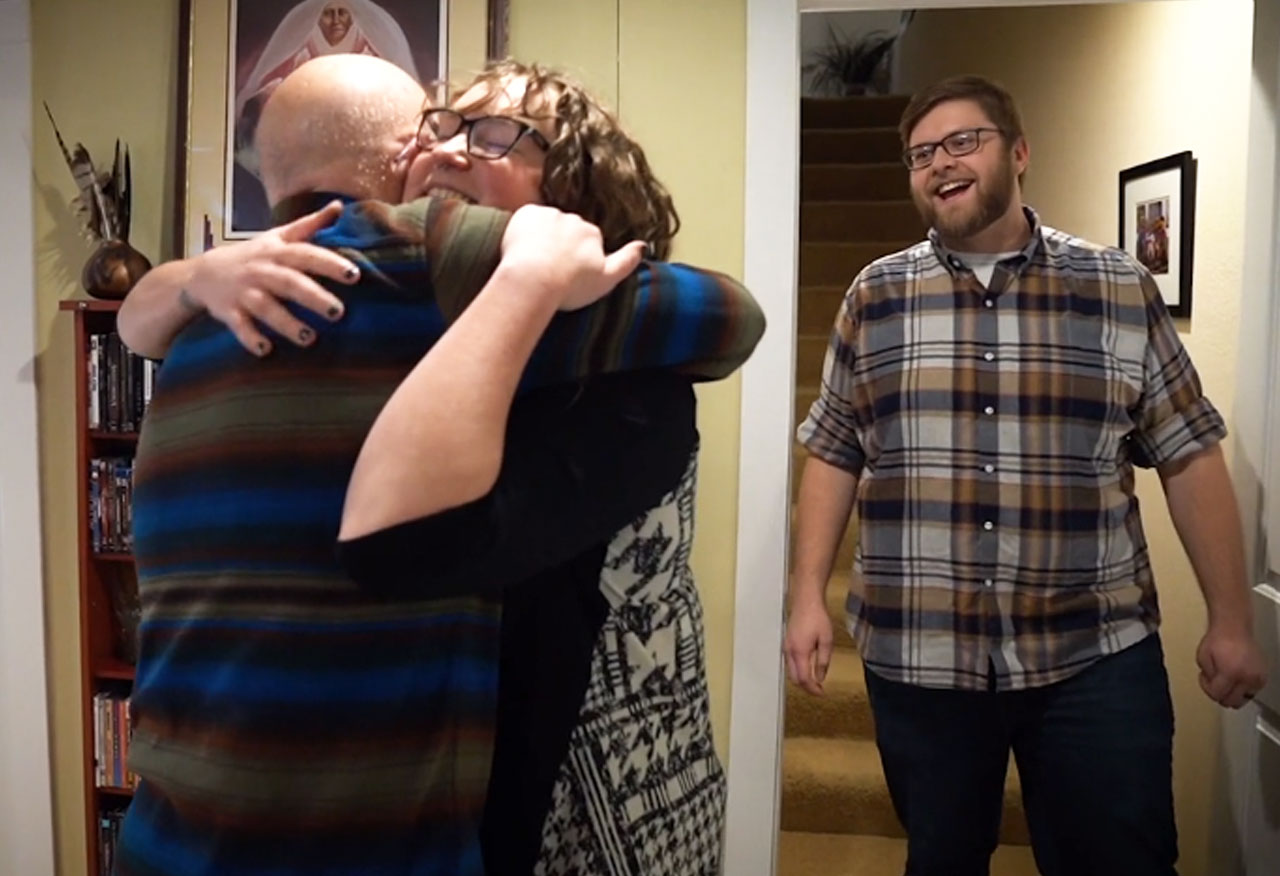
These sessions are available for singles, couples, and one partner in a relationship – from all walks of life and in a wide array of relationships! I’ve led hundreds of these powerful sessions over the years and clients rave about how seen, heard, and understood they feel – along with how much hope they gain during our time together from getting a plan to move towards more of what they want.
Why Choose Geoff as Your Colorado Couples Counselor?
As a marriage counselor in Colorado of 30+ years, I’ve seen it all. Whether you and your partner are having frequent arguments, lacking intimacy, or constantly feeling like you’re walking on eggshells — help is available. For over 30 years, my private practice has helped hundreds of couples traverse hard patches in their relationship with greater poise, more tools, and greater understanding than before.
Briefly, here are a few key reasons to consider my services:
- Specialization: I’ve worked with couples for 30+ years, which means I know the ins and outs of conflict resolution, effective communication, intimacy issues, men’s issues, and more. The focus of my professional life has been dedicated to helping couples reconnect, negotiate, and communicate in a meaningful way.
- Results: Based on my dozens of 5-star reviews, you’ll quickly see that I’m committed to helping you get breakthroughs without all the hassle. I make your investment worth every penny with insights from my 30+ years of experience.
- Approach and Methods: Different counselors have different methods; I’ve created my own approach that focuses on creating an atmosphere of honesty, collaboration, and discovery. It combines several approaches mentioned above including EFT, Gottams method, and more.
Marriage Counseling in Colorado FAQ
What are the most common issues couples face in marriage counseling?
The most common issues in marriage counseling include communication problems, intimacy or sexual issues, financial disagreements, and trust issues due to betrayal or infidelity. There are also attachment styles that may affect the relationship negatively that can be addressed.
How long does typical marriage counseling last?
The average duration is about 12 sessions. This would be considered a “short-term intervention” and may be all that’s required to improve the relationship. Other times, it may take as long as 20-30 sessions if the couple has significant trust issues, individual therapy needs, and trauma that may be affecting the relationship.
Does Your Relationship Architect offer relationship counseling in Colorado?
Yes, owner of Your Relationship Architect, Geoff Laughston is certified to conduct family therapy through the whole state of Colorado and is available for online appointments.
What credentials does a relationship counselor need in CO?
To be fully authorized to give therapy, one needs at least a Master’s degree in family and marriage counseling, 2,000 supervisory hours, and a passing score for the AMFTRB (Association of Marital and Family Therapy Regulatory Boards) in order to be fully licensed as a couple’s therapist.
What are the specific experience requirements for a marriage counselor in Colorado?
To become a licensed marriage and family therapist (LMFT) or relationship counselor in Colorado, one needs both either a M.A. in marriage and family therapy and supervised experience. In Colorado, marriage counselors need at least 2,000 clock hours of post-degree experience. These hours must is supervised by a fully-supervised and licensed therapist.
In addition, they must pass the AMFTRB (Association of Marital and Family Therapy Regulatory Boards (AMFTRB), a rigorous national exam. Continued education of about 40 hours per year is also required to maintain licensure.
Why should we choose Your Relationship Architect over others?
Is the Relationship Appraisal refundable?
From the blog