

Feeling confused about the difference between couples therapy and marriage counseling is more common than you think. Many couples are unsure which one to choose, especially when they’re already under emotional stress. In this article, we’ll walk you through the couples therapy vs marriage counseling differences explained, so you can make a decision that fits your relationship and your goals.
With over 30 years of helping couples rebuild trust and emotional safety, I’ve seen what happens when the wrong help leads to more frustration. Let’s clear that up now so you can move forward with clarity and confidence.
Why Couples Seek Help in the First Place
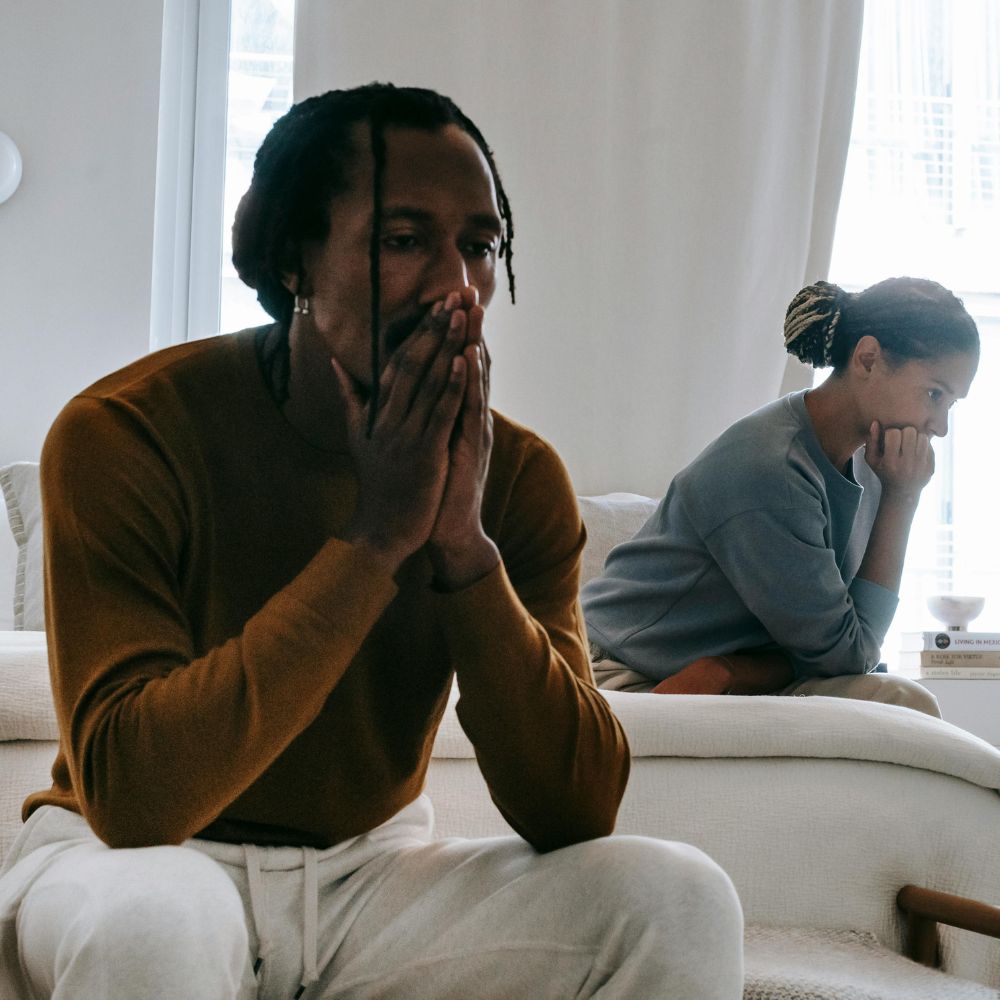
It’s Not Just About Big Crises
You don’t need to be on the brink of separation to ask for help. Many couples seek support when things just start to feel “off.” There’s more silence than connection, more tension than teamwork. It’s those subtle signs, missed texts, short tones, nights spent scrolling separately, that often signal a deeper need for repair before issues turn into full emotional distance.
From Conflict to Connection
What most people really want isn’t just fewer arguments, it’s to feel connected again. When communication feels forced or misunderstood, couples don’t just lose their words. They lose their rhythm. Marital therapy and counseling both aim to help restore that, but the approaches are different, and choosing the right one matters.
What Is Couples Therapy?

Core Purpose and Goals of Couples Therapy
Couples therapy focuses on the emotional and psychological layers in a relationship. Research shows it often works best when it explores how past trauma, attachment styles, and mental health shape the way partners interact. These deeper emotional patterns usually fuel the same arguments that keep repeating.
Think of it as exploring the “why” behind your reactions. It often includes individual reflection within the couple setting.
When Therapy Is Most Helpful
Couples therapy is often best when one or both partners are navigating deeper personal challenges like anxiety, past trauma, or chronic emotional disconnection. If arguments are looping endlessly or intimacy feels unrepairable, this type of therapy gives you tools to shift patterns, not just behaviors.
What Is Marriage Counseling?
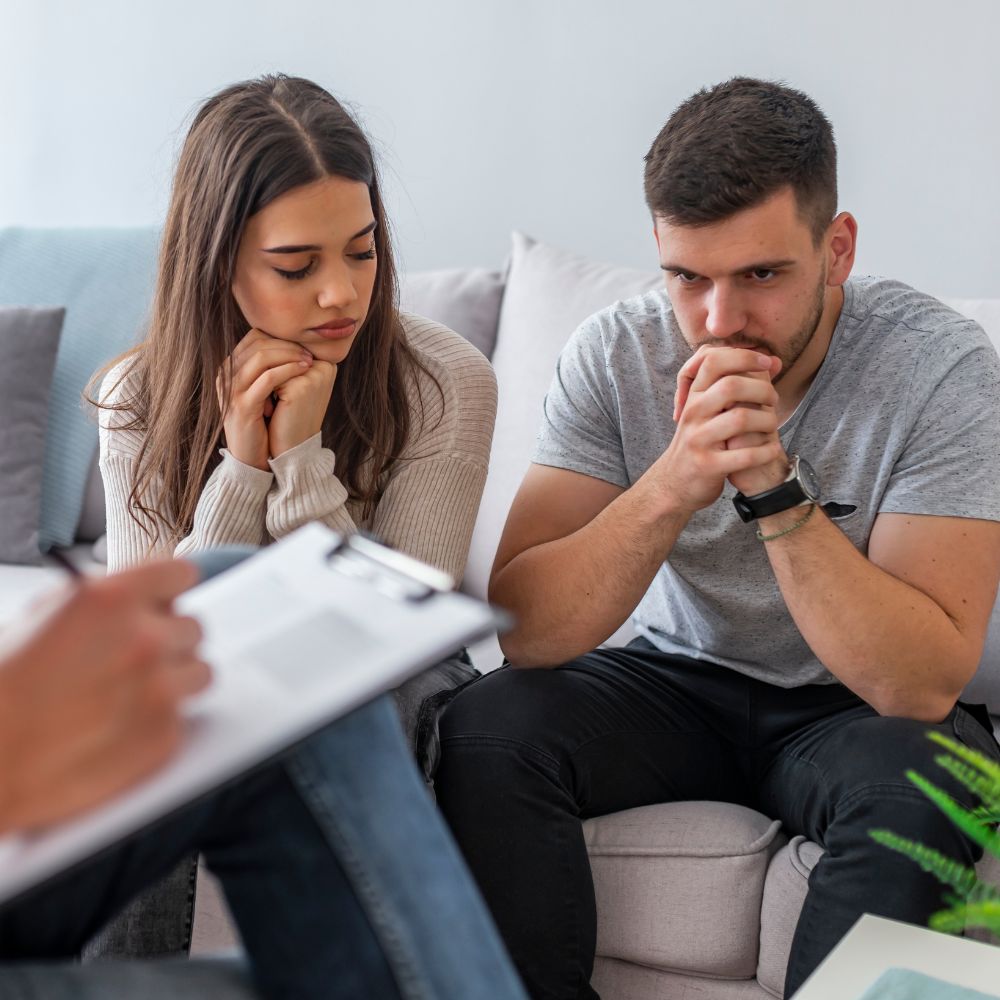
The Focus of Marriage Counseling
Marriage counseling focuses on day-to-day conflicts like communication breakdowns, unmet expectations, or disagreements about roles. It’s ideal for couples who love each other but need guidance resolving common issues that keep coming up.
When Marriage Counseling Is a Better Fit
Marriage counseling is great when you’re facing transitional challenges. Studies show marriage counseling is especially effective during life transitions, like moving in, parenting, or infidelity recovery, when couples are willing to engage openly. It’s also a powerful tool before marriage begins, many couples use it to clarify values, finances, and goals early on.
Couples Therapy vs Marriage Counseling: Differences Explained

Now let’s get into the heart of it, couples therapy vs marriage counseling differences explained in clear, real-life terms. The biggest difference lies in depth and direction.
Differences in Depth and Focus
- Couples therapy is reflective. It explores emotional wounds, unconscious reactions, and long-standing dynamics.
- Marriage counseling is more action-based. It focuses on what you’re doing today and how to do it better tomorrow.
A therapist typically holds advanced degrees in psychology, relationship counseling, or social work and are licensed to treat emotional and psychological disorders. Because of this, they’re equipped to work with couples who are struggling with issues that go beyond surface-level conflict, such as anxiety, depression, or unresolved childhood wounds.
Marriage counselors, on the other hand, are often trained in communication techniques, conflict mediation, and relational dynamics. Their strength lies in helping couples function better as a unit by focusing on present-day issues rather than unresolved emotional history.
What the Therapist or Counselor Actually Does

Inside a Therapist-Led Session
In couples therapy, the therapist works to create a safe emotional space where both partners feel seen. They guide emotional reflection, help you understand triggers, and offer insight into how your past affects your current relationship. It’s often a slower but deeper process.
Inside a Marriage Counselors-Led Session
In marriage counseling, the focus is on what’s happening now. Counselors may moderate heated conversations, offer tools for real-time de-escalation, and give homework. Think of it as coaching the relationship in action.
Can They Overlap?
Yes, and often they do. Some professionals are trained in both. That’s why it’s important to ask about a provider’s approach before starting. If you’re not sure which you need, some therapists blend therapeutic insight with coaching-style interventions.
What Goals Do You Want to Reach?

Goals of Couples Therapy
In couple therapy, the focus is emotional healing. The goal is to rebuild trust, uncover past wounds, and create lasting emotional safety that helps both partners feel seen, supported, and safe in the relationship again.
Goals of Marriage Counseling
Marriage counseling focuses on improving everyday functioning. It helps partners communicate clearly, solve recurring issues, and realign values. The goal is to rebuild teamwork, connection, and commitment in the present, not just revisit the past.
Types of Therapy Used in Couples Work

Different couples benefit from different styles of a therapist or counselors, depending on their history, communication style, and emotional goals. Below are some of the most widely respected and research-based couple therapies used today.
Gottman Method
The Gottman Method is built on decades of research and emphasizes rebuilding friendship, managing conflict, and creating shared meaning. Couples learn to replace destructive communication patterns with healthy, respectful interaction. This method is especially effective for long-term partners who feel stuck in repeated arguments but want to stay connected.
Emotionally Focused Therapy (EFT)
EFT helps couples identify and shift the emotional patterns that keep them stuck. By focusing on attachment needs and vulnerability, it fosters deeper emotional connection and trust. It’s often used when one or both partners feel emotionally unsafe or disconnected, and want to repair their bond from the inside out.
According to the Australian Psychological Society, EFT is especially powerful in helping couples heal from attachment injuries like betrayal, secrecy, or emotional abandonment by creating safe, shared emotional experiences.
Narrative Therapy
Narrative Therapy encourages couples to externalize marital problems instead of blaming one another. The focus is on separating the issue from the individuals, which creates space for cooperation rather than conflict. This approach can be powerful for couples who feel overwhelmed by labels or stuck in negative relational stories.
What to Expect in a Session

Couples Counseling Sessions
Marriage counseling sessions are structured but flexible, designed to help couples make real progress in a short amount of time. You’ll typically start by checking in on the week, what’s working, what’s not, and where you’re feeling stuck.
From there, the focus shifts to tackling one or two key issues, like communication breakdowns, unmet expectations, or repeated patterns. Sessions often include practical strategies, communication exercises, or role-playing to help both partners practice new approaches in real time.
Each session ends with a clear takeaway or action step, something useful you can apply at home right away. If it’s a new habit, a mindset shift, or a shared agreement, the goal is always progress you can feel.
Couples Therapy Sessions
Couples therapy sessions usually feel slower and more exploratory. While a couple may enter with a conflict or concern, the therapist often guides the conversation toward the emotional patterns underneath the issue. This could mean:
- Exploring personal histories that influence current behavior
- Identifying emotional injuries or unmet needs
- Learning to pause in the moment when conflict arises, and shift toward connection
A therapist may stop a conversation to ask, “What just happened inside you right now?” or “What do you need from your partner at this moment?” These reflections help you understand not just what you’re doing, but why you’re doing it.
When to Choose What

Understanding when to seek marriage counseling versus couples therapy can save time, energy, and unnecessary frustration. The right support depends on what you’re actually facing, not just what sounds familiar on paper. Here’s a clear guide to help you choose with confidence.
Choose Marriage Counseling When…
- You’re struggling to manage day-to-day stressors like parenting, finances, or household responsibilities
- You argue often about routines, roles, or decision-making, and can’t seem to find common ground
- Communication feels frustrating or ineffective, but you’re both still emotionally present
- You’re preparing for a transition, moving in together, marriage, kids, and want to strengthen your foundation
- Things feel “off,” but the relationship still feels safe and worth working on
Marriage counseling is best for couples who want to improve how they function together. It’s ideal when the relationship isn’t damaged at the core, but could benefit from stronger tools, better communication, and more intentional partnership.
Choose Couples Therapy When…
- One or both of you are dealing with personal challenges like anxiety, depression, or past trauma
- Emotional wounds from betrayal, neglect, or childhood experiences are showing up in the relationship
- Arguments repeat in painful cycles with no real resolution
- You feel emotionally distant, unsafe, or misunderstood, even when not fighting
- One partner tends to shut down, withdraw, or react with intense emotions during conflict
What About Family Therapy and Broader Systems?
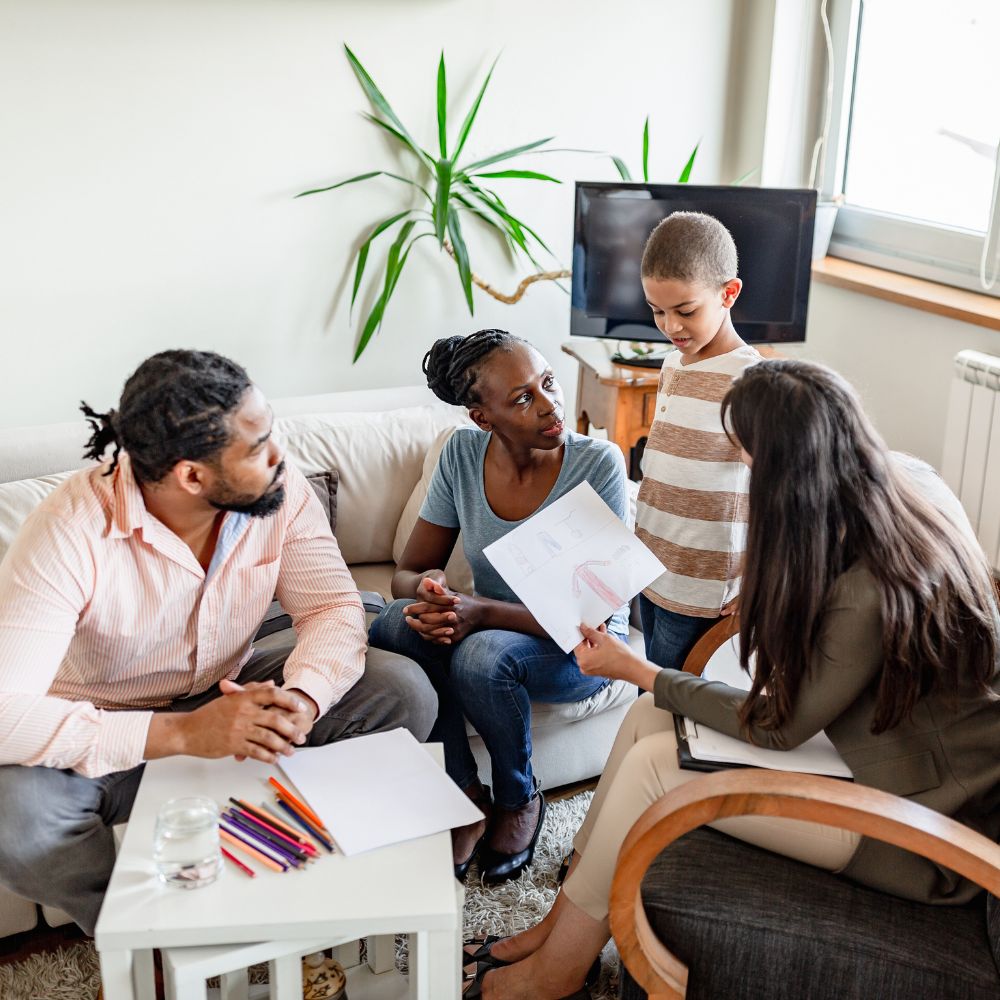
Sometimes, the tension in your relationship doesn’t start or end with just the two of you. If your challenges involve parenting disagreements, in-law conflict, or stress from your upbringing, it may be time to consider family therapy treatment.
Family therapy looks beyond the couple and examines how extended dynamics, like generational patterns, cultural expectations, or blended family roles, are influencing your connection. It helps untangle who’s carrying what, and how those outside pressures are playing out between you.
This is especially useful for:
- Couples navigating co-parenting after divorce
- Blended families trying to build trust and shared structure
- Partners dealing with unresolved issues from their own families of origin
When your relationship is building inside a larger emotional system, addressing only the couple layer might not be enough. Including the broader context helps ensure you’re not just reacting, you’re understanding.
How to Choose What’s Right for A Couple

The decision between couples therapy and marriage counseling treatment isn’t always black and white. It helps to step back and look honestly at where you and your partner are, not just what sounds familiar. Choosing the right support starts with clarity, not urgency.
Ask These Questions First
Before booking a session, take time to answer these questions together:
- Are we facing short-term tension, or are we stuck in long-standing emotional patterns?
- Do we need practical tools to improve communication or space to heal deeper emotional pain?
- Are there personal challenges like anxiety, trauma, or grief that affect how we show up in the relationship?
This kind of analysis and reflection can help reveal not just what’s broken, but what kind of help will actually move you forward.
When In Doubt, Start with a Blended Approach
In many cases, couples benefit from a mix of both approaches. You might begin with counseling marriage sessions to improve day-to-day functioning, learning how to communicate better, set boundaries, and make decisions together. Once you’ve built some emotional stability, shifting into deeper therapies can help uncover patterns, wounds, or unmet needs that are harder to reach in surface-level work.
There’s no perfect formula. The best path is the one that supports both partners in feeling safe, heard, and invested in real change.
Consider the Stage of Your Relationship
Where you are in your relationship matters. Couples early in their journey may benefit more from marriage counseling to build healthy habits and communication patterns before issues become ingrained. Long-term couples facing recurring disagreements often find that structured counseling provides the clarity needed to reconnect and realign goals. Choosing support that meets your stage, not just your struggle, sets you up for sustainable growth.
What Matters Most Is That You Start
The bottom line? Getting support is not a sign of failure, it’s a commitment to growth. By now, the couples therapy vs marriage counseling differences explained should feel clearer. The right choice depends on your goals, emotional needs, and stage of your relationship.
If you’re ready to take that first step toward repair, connection, and peace, I’d love to help you figure out what’s next. Book a Relationship Design Review today or contact me directly to talk through your options.
Frequently Asked Questions
What is the main difference between couple therapies and marriage counseling?
Couples therapy focuses on deep emotional work and individual patterns affecting the relationship. Marriage counseling is more practical and aimed at improving communication and problem-solving.
Can one person go to sessions alone?
Yes. Especially in couples therapy, one partner can attend to work on personal blocks that affect the relationship. It can still create positive changes.
How long does therapy or counseling last?
Couples counseling usually lasts 6–12 sessions. Couples therapy often continues for several months, depending on emotional needs and progress.
Which one is better for communication problems?
Marriage counseling is generally better for communication issues. It focuses on improving day-to-day interactions and teaches tools for clearer connection.

