

When a relationship hits a wall from years of built-up resentment or a recent betrayal, the decision to seek help is no small step. For many couples, counseling is the bridge between disconnection and deeper intimacy. But what’s often overlooked is who you choose to help you makes all the difference.
Without the right support, couples may end up repeating painful patterns or giving up too soon. And while many turn to counseling, what’s often overlooked is that who you choose to guide you matters just as much as choosing to get help.
That’s why experience is everything. With over 30 years of helping couples through real-life challenges, I bring practical insight, heart, and clarity to the process. Let’s understand why experience is one of the most powerful ingredients in successful couples counseling, and how it can change the course of your relationship.
What Experience Really Means in a Counseling Context

When we talk about “experience” in counseling, we’re not just referring to the number of years someone has been in practice. We’re talking about how many couples they’ve helped, the emotional landscapes they’ve navigated, and how deeply they’ve learned to listen, not just to words, but to what’s unsaid.
An experienced therapist has seen it all, the highs, the betrayals, the reconciliations, the near-divorces, and the unexpected breakthroughs. This exposure gives them a level of comfort in emotional intensity and nuance that someone early in their career simply hasn’t had time to build.
Moreover, experienced couple therapists are adept at adjusting their approach to different personalities, dynamics, and cultural backgrounds. They know that no two relationships are the same, and there’s no one-size-fits-all solution. According to a study, contemporary couple therapists increasingly tailor interventions to accommodate partners’ personalities, relationship dynamics, and cultural backgrounds.
The Subtle Skills Only Experience Can Teach

1. Reading the Room Without Words
Emotions don’t always show up in sentences. Sometimes, they surface in eye rolls, long silences, or subtle body language. An experienced counselor sees these moments and gently brings them into the open.
For example, if a partner looks away during a difficult moment, a seasoned counselor might pause and ask, “What’s happening for you right now?” That awareness often opens the door to a deeper conversation that would otherwise be missed.
2. Timing and Tone During Conflict
When couple distress reaches a boiling point, timing is everything. An experienced counselor knows when to step in and when to let the silence do the talking. We don’t just give advice, we guide couples through the discomfort, helping them stay connected instead of shutting down or escalating.
These are the things that can’t be learned from a textbook. They come from presence, intuition, and thousands of hours spent in real rooms with real people.
3. Emotional Safety
Good marriage counseling only works when both people feel emotionally safe. That means feeling heard, not judged. Experienced counselors know how to create this comfort. Without it, couples stay guarded. True progress happens when both partners can open up honestly, and that kind of safety takes time and real skill to build.
4. Knowing When to Follow and When to Lead
Not everything in counseling goes by the book. Real conversations are messy. Experienced counselors trust their gut, knowing when to ask a deep question or when to stay quiet. That kind of timing can shift everything. It’s not guessing, it’s knowing what works, because they’ve helped so many couples before.
Deep Work Requires Deep Understanding

Some couples seek help because they can’t stop fighting. Others because they never fight and haven’t connected emotionally in months. Then there are those struggling with mental health issues, infidelity, blended families, grief, or trauma. These aren’t light conversations, and situations like these often lead people to seek relationship coaching for deeper support.
A counselor who’s been through these scenarios countless times is more likely to hold the space without fear, judgment, or confusion. They’re not flustered when pain shows up. Instead, they help you navigate it with steadiness.
When you’re working through layers of resentment or reopening old wounds, the difference between progress and regression often lies in who’s guiding the process. And that’s exactly why experience matters when it comes to couples counseling.
Pattern Recognition and Relationship Dynamics

Detecting Emotional Loops Early
Many couples come to relationship coaching believing they argue about specific topics such as money, chores, sex, and parenting. But underneath these topics are emotional patterns of avoidance, defensiveness, blame, and fear of vulnerability. The content of the argument is rarely the real issue.
An experienced counselor sees through the noise. They’ve worked with enough relationships to spot patterns within the first session or two. That means they can help couples move from surface complaints to root causes much faster.
Intervening with Strategy, Not Guesswork
Because they’ve seen similar dynamics play out in other relationships, experienced counselors draw from real-world insight, not just theory. They know how to interrupt destructive cycles gently but effectively and introduce tools that stick. This is where relationship coaching transforms from “talking about problems” into actually healing them.
Real-Life Results: What Experience Looks Like in Action

Holding Space During Crisis
Imagine a session where one person is finally opening up about a long-held secret, while the other is clearly overwhelmed. An experienced counselor doesn’t panic. They remain calm, grounded, and able to contain the emotional energy in the room.
They don’t just listen, they hold space. And that space can be the difference between repair and retreat.
Teaching Tools That Last a Lifetime
The goal of counseling isn’t just to survive the next fight, it’s to create a healthy foundation for future communication, intimacy, and trust. Experienced counselors give you tools that go beyond the office. They show you how to navigate triggers, reconnect after conflict, and make your couple relationship stronger with time. They’ve refined these methods through trial and error, learning what works, what doesn’t, and why.
The Risk of Inexperience in Couples Counseling
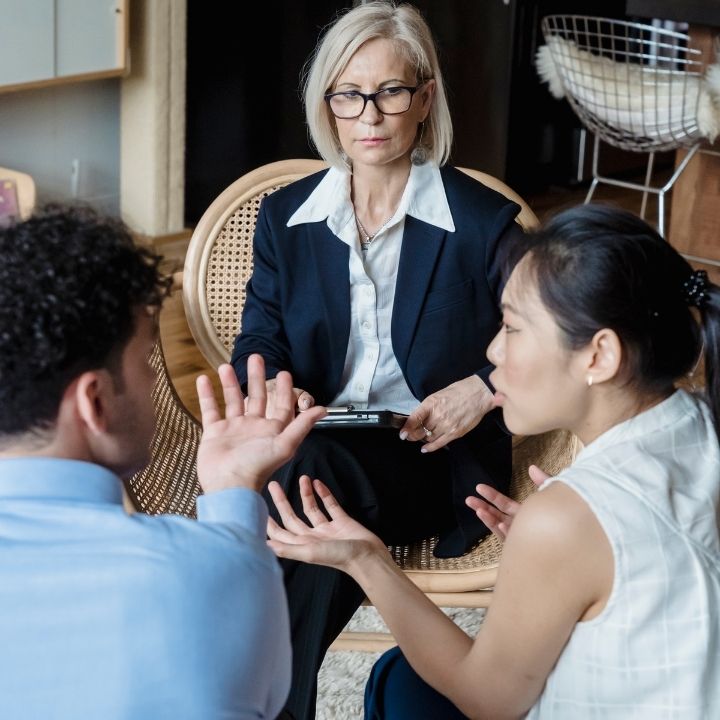
Let’s be honest. Every counselor has to start somewhere. But working with inexperienced counseling couples professionals can carry risks. They may rely too heavily on scripts or struggle to stay neutral when one partner is more emotionally expressive than the other. They might miss key emotional cues or give advice that oversimplifies deep emotional wounds.
In some cases, they may even trigger unintentional harm, especially when working with couples facing family trauma, betrayal, or attachment wounds. That’s not to say they’re not trying their best. But the absence of experience can mean that important moments get mishandled. And in couples coaching, timing and safety are everything.
How to Choose an Experienced Couples Counselor

If you’re ready to seek help, choosing the right guide is essential. But how do you know someone’s truly experienced?
Here are a few questions to ask:
- How many marriage counseling clients have you worked with?
- What types of relationship issues do you specialize in?
- Do you use any specific models, like the Gottman Method or EFT?
- How do you typically handle high-conflict or emotionally sensitive sessions?
Also, look at how they present themselves. An experienced counselor often communicates with clarity, confidence, and compassion. They’ve done their own inner work, and it shows. You’ll also want to check their background. While certifications like LMFT or LCSW are useful, experience can also come through coaching credentials and real-life relationship success.
At the same time, it’s okay to trust your gut. A good counselor, no matter their title, should make you feel safe, seen, and respected from the very first session.
Choose Experience, Choose Transformation
The road to reconnection isn’t always easy, but it’s worth it. And who walks that road with you makes all the difference. By now, you understand why experience matters when it comes to couples counseling.It’s about presence, wisdom, and the ability to guide you through real relationship challenges with empathy and skill. Experienced counselors know how to help you navigate emotional walls, rebuild communication, and create meaningful change that lasts.
If you’re ready to stop repeating the same patterns and start building something stronger, don’t settle for a one-size-fits-all approach. Choose someone who’s helped hundreds of couples walk this path, with care, structure, and proven tools. Book your Relationship Design Review today and take the first step toward a relationship built on trust, connection, and lasting love.
Frequently Asked Questions
What makes counseling effective for couples and marriage?
Effective couples counseling supports emotional safety, clear communication, and tailored treatment. Experienced marriage therapists guide couples through mental blocks, helping them reconnect through empathy and structure. Success often depends on the counselor’s ability to hold space and facilitate real emotional healing.
What are the key things to know before starting counseling?
One of the most important things is understanding that results take time. Counseling strengthens communication, reveals mental patterns, and offers treatment strategies designed for your marriage. Being open, honest, and consistent will help couples make the most of every session.
How can a couple benefit from counseling if they’re not in crisis?
A couple doesn’t need to be in crisis to benefit from counseling. Proactive treatment builds communication, reduces mental stress, and nurtures connection. It prepares partners to handle challenges before they escalate, strengthening the foundation of a long-term marriage or relationship.
What types of couple therapies are commonly used?
Popular couple therapies include EFT, the Gottman Method, and Narrative Therapy. These help improve communication, address mental health struggles, and offer structured treatment for marriage issues. A skilled counselor matches the right approach to your unique relationship needs.
How does family counseling differ from couples counseling?
Family counseling addresses broader relational systems, while couples counseling focuses on the romantic relationship. It supports communication across family roles, heals marriage tensions, and provides treatment for emotional and mental strain impacting everyone, not just the couple, in the home.

