

Relationships can feel both deeply rewarding and incredibly challenging. At some point, many couples ask themselves, “Is couples counseling worth it?” It’s an honest question that usually arises when arguments repeat, connection fades, or trust feels fragile.
With more than three decades of experience supporting couples here in Colorado, I can tell you the answer is yes, when both partners are ready to participate fully. Counseling provides a safe space to work through long-standing struggles, strengthen communication, and rediscover connection in a way that feels sustainable and real.
What Couples Counseling Really Means
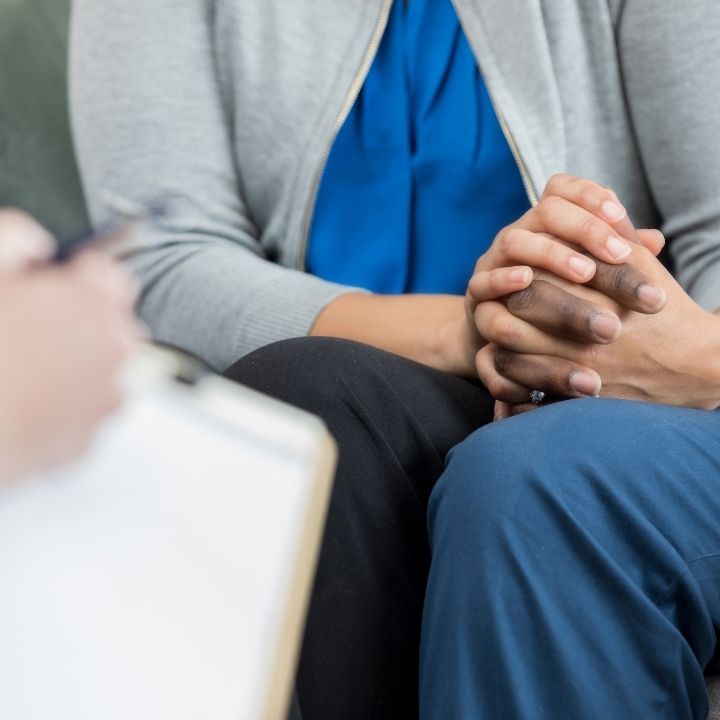
Couples counseling is a structured process where two partners work with a trained professional to improve the health of their relationship. A session usually takes place in a calm, private environment where difficult topics can be discussed openly. Instead of allowing old patterns to dominate, a counselor guides the conversation toward clarity, understanding, and repair.
Unlike a casual chat with a friend, counseling has intentional structure. Couples counselors are trained to notice subtle dynamics, how words are said, how body language shifts, or how silence carries unspoken tension. These insights help uncover the root of issues that often hide beneath surface-level disagreements.
Some people think counseling is only for marriages in crisis. In reality, it is for any couple seeking to deepen their connection, improve how they communicate, or work through everyday challenges more effectively. By focusing on strengths as well as difficulties, couples counseling creates opportunities for lasting growth. Research shows that community-based couple counseling improves relationship satisfaction and helps reduce depression over both short and long-term periods.
Why Couples Seek Counseling in the First Place

The decision to begin counseling rarely comes out of nowhere. It usually follows months or sometimes years of unaddressed frustration. These frustrations build slowly, showing up as conflict, withdrawal, or loneliness. Over time, they create a wedge between partners. Let’s look at the most common relationship issues that bring people into counseling.
When Fights Keep Coming Back
Every couple argues, but repeating the same fights without resolution is exhausting. Topics like money, parenting, chores, or intimacy often resurface in cycles. What begins as a small disagreement can quickly escalate into shouting or silence. The fights don’t disappear, they just go underground until the next trigger appears.
Breakdowns in Communication
Communication problems are one of the most frequent reasons couples seek help. It may start with short answers, sarcasm, or avoidance. Eventually, meaningful dialogue fades altogether. When a partner communicates less and less, misunderstandings multiply, resentment grows, and the relationship feels stuck. Counseling helps by offering a safe, structured setting where both people feel heard.
Emotional Disconnection
Some couples don’t fight often, but they don’t feel close either. They share a home, raise kids, or manage responsibilities together, yet the emotional intimacy that once felt natural is missing. Days can pass without affection, curiosity, or genuine conversation. This quiet distance can be just as damaging as loud conflict.
Challenges with Trust
Trust is the foundation of every relationship. Once broken, through secrecy, infidelity, or repeated disappointments, it takes intentional effort to rebuild. Without guidance, couples may get stuck in cycles of blame and defensiveness. Counseling couples through trust repair creates opportunities for accountability, forgiveness, and new agreements.
Is Couples Counseling Worth It? Proven Benefits

At this point, you may still be wondering if counseling truly makes a difference. Research and experience both show clear benefits when couples commit to the work.
1. Improves Communication Skills
Healthy communication is the backbone of a strong relationship. Counseling offers a neutral space where partners can practice expressing feelings without fear of judgment. Instead of talking past each other, couples learn to slow down, listen carefully, and validate each other’s perspectives. Over time, these skills reduce conflict and increase understanding.
2. Rebuilds Trust and Intimacy
When trust is damaged, couples often lose both safety and connection. Counseling provides structure for repairing that foundation. Through honest dialogue and guided exercises, couples can restore a sense of safety. This process also helps reignite emotional closeness and physical intimacy, reminding partners why they chose each other in the first place.
3. Creates Shared Goals and Vision
Relationships thrive when partners move in the same direction. Counseling encourages couples to revisit their values and goals. This can include planning for children, balancing careers, or navigating later stages of marriage. Clarifying a shared vision strengthens commitment and brings stability where uncertainty once created tension.
4. Provides a Neutral Guide
Having a trained marriage counselor involved changes the tone of conversations. Instead of falling into defensive patterns, couples receive guidance from a neutral professional. A therapist doesn’t take sides, they create space for both voices to be heard. This alone can transform how partners approach sensitive issues.
How Couples Counseling Strengthens Marriage Over Time
Building Stronger Communication Habits
One of the most enduring outcomes of counseling is healthier communication. Over time, couples who practice what they learn find themselves talking with more clarity, listening more attentively, and handling disagreements without spiraling into conflict. These skills don’t just resolve problems, they prevent new ones from taking root.
Improving Teamwork in Marriage
When communication improves, teamwork follows. Partners begin to collaborate on parenting, finances, and daily responsibilities. Instead of competing or keeping score, they approach challenges as allies. This shift reduces stress and builds a stronger sense of partnership, turning marriage into a shared project rather than a tug-of-war.
Increasing Resilience for Future Challenges
Counseling doesn’t eliminate conflict forever. But it does make couples more resilient. With new tools and greater confidence, they can weather disagreements without losing connection. This resilience often creates a deeper sense of security in the marriage, knowing that challenges can be handled together instead of driving a wedge.
When to Start Couples Counseling
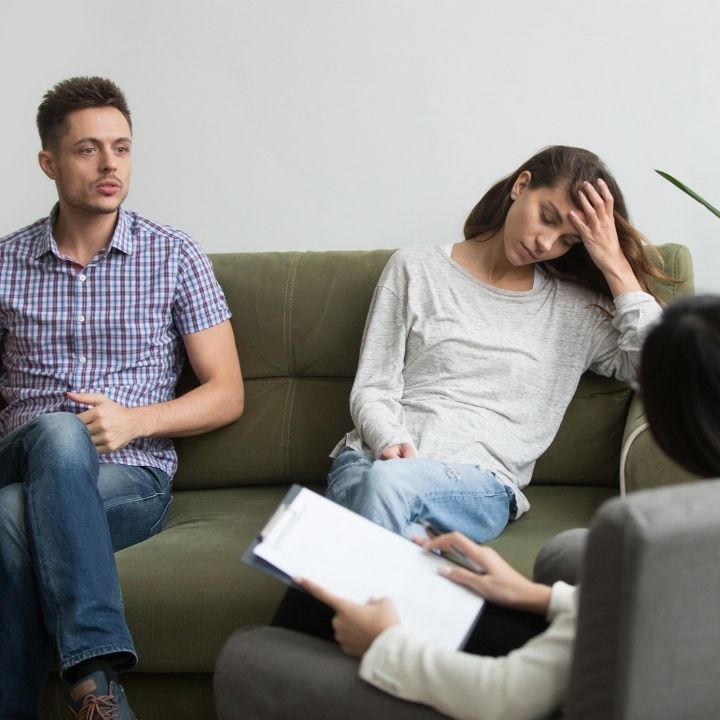
Don’t Wait for a Crisis
Many couples believe counseling is only necessary when things are falling apart. In reality, the earlier you start, the more effective it can be. Seeking help at the first signs of recurring conflict or emotional distance prevents small problems from growing into long-standing wounds. According to a study, couples who engaged in counseling earlier experienced emotional closeness, better communication, and reduced relationship stress during the counseling process
Early Warning Signs to Pay Attention To
- Constantly rehashing the same arguments
- Avoiding important conversations out of fear of conflict
- Feeling more like roommates than partners
- Emotional or physical intimacy fading
- Struggling to trust each other after disappointments
Recognizing these signals early gives counseling a stronger foundation to work from.
Counseling as Preventive Care
Think of counseling as preventive care for your relationship. Just as people visit a doctor before health problems worsen, couples can benefit from professional guidance before resentment builds. This proactive approach helps partners maintain connection, strengthen communication, and build resilience for the future.
What Happens During the Counseling Process
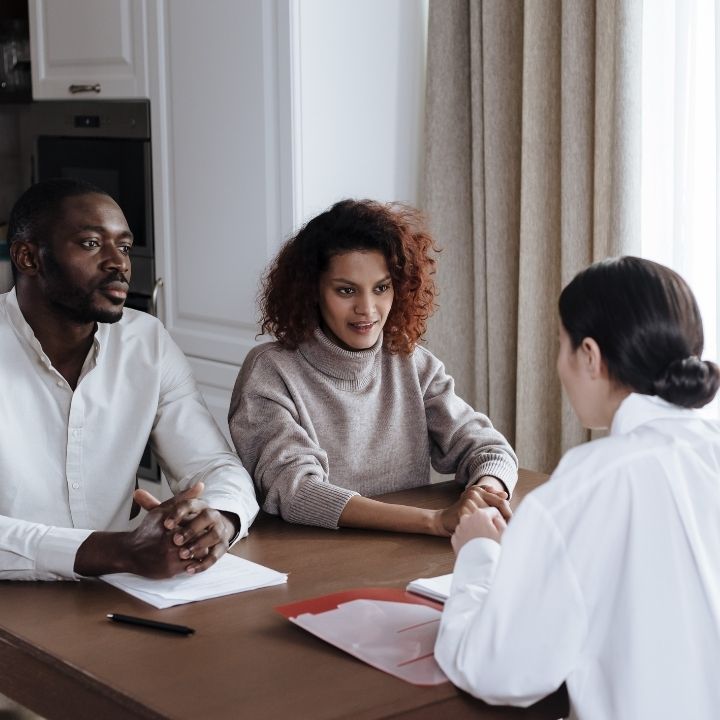
For those who haven’t experienced it, couples counseling in Colorado can feel uncertain at first. Here’s what typically happens during the process:
- Initial sessions focus on understanding history, challenges, and goals. A counselor listens to both perspectives without taking sides.
- Identifying patterns comes next. Are conflicts tied to unmet needs? Do small frustrations point to bigger fears?
- Skill building follows. Couples practice new communication techniques, manage conflict more constructively, and learn ways to reconnect emotionally.
- Homework is often given. Practicing skills outside of sessions helps reinforce progress.
In some cases, couples counseling incorporates models like attachment theory to explain why partners react the way they do. Others might include group counseling options, where several couples learn together in a supportive environment. The process is tailored to fit each couple’s specific needs.
Showing Up Consistently
Couples counseling isn’t a quick fix, it’s a process. Progress depends on showing up regularly and being fully present. Sporadic attendance or treating sessions as a checkbox rarely creates lasting change. The couples who benefit most are the ones who approach each session as an opportunity to learn and grow together.
Practicing Outside the Sessions
What happens between meetings is just as important as what happens inside them. Counselors often assign simple exercises, communication techniques, reflection prompts, or small acts of connection. When couples actually practice these, changes begin to take root. Growth becomes visible not in the office, but in daily life at home.
Embracing Honesty and Vulnerability
Commitment also means honesty. Counseling works best when partners share openly, even when it feels uncomfortable. Holding back prevents deeper repair. Vulnerability can feel risky, but it is often the doorway to trust and intimacy. When both partners commit to openness, walls start to come down.
Having Patience With the Process
Real change takes time. Old patterns don’t disappear in a week, and setbacks are normal. Couples who stick with counseling long enough often discover that the process doesn’t just address one issue, it equips them with skills to handle future challenges together. Patience is a form of commitment, too.
When Couples Counseling May Not Be Worth It

Counseling is powerful, but it isn’t a cure-all. In certain situations, it may not provide the results couples hope for.
Only One Partner Participates
If one person refuses to engage, progress can stall. Counseling works best when both partners are committed to the process. When only one partner shows up, the sessions often turn into individual work, which can be helpful, but the full potential of couples counseling remains out of reach
Ultimatums or Hidden Agendas
Starting counseling with the mindset of “This is our last chance or else” creates pressure and fear. Instead of collaboration, sessions can feel like a test one partner must pass.
Deciding If Counseling Is Right for You

So how do you know if counseling is the right choice? There are a few key considerations.
Signs It Could Help
- Fights feel repetitive and unresolved.
- Communication feels strained or nonexistent.
- Emotional closeness is missing.
- Trust feels fragile.
- You want to improve the relationship but don’t know how.
Questions to Ask a Counselor
Before starting, ask about their approach, experience, and style. These can give you a better sense of how the counselor works and what to expect:
- What experience do you have working with couples?
- How do you usually structure your sessions?
- Do you give exercises for us to practice at home?
- How do you support couples when one partner is less engaged?
- What goals will we be working toward together?
Timing Matters
The earlier couples seek help, the more effective it tends to be. Waiting until resentment has built for years makes progress harder. Proactive counseling strengthens relationships before they reach a breaking point.
Discomfort at the Start
Many couples are surprised by how difficult early sessions can feel. Talking about painful topics brings up old wounds, and hearing your partner’s perspective can sting. This discomfort doesn’t mean failure, it means hidden issues are finally being acknowledged, which is the first step toward healing.
The Role of the Counselor
A skilled counselor ensures that even tough conversations remain balanced and safe. They guide discussions so both voices are heard without blame or domination. This structure helps partners stay engaged, even when emotions run high. Knowing the process is guided makes it easier to handle the discomfort.
Gradual Shifts in Tone
Over time, sessions tend to feel lighter. Frustration and heaviness give way to moments of clarity, understanding, and even hope. Many couples report that while not every issue is resolved, the relationship feels safer and more open than before. This shift is one of the strongest signs that progress is happening.
Expecting Ups and Downs
Counseling is rarely a straight line. Some sessions may feel like breakthroughs, while others feel like setbacks. This is normal. By expecting ups and downs, couples are less likely to give up too soon. Progress is measured not by perfection but by steady movement toward greater connection and understanding.
Alternatives and Complements to Couples Counseling
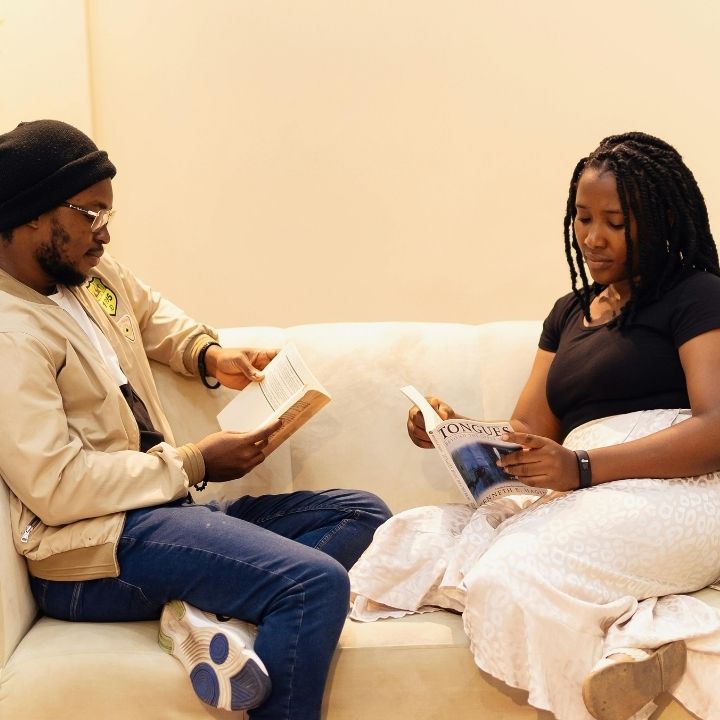
While counseling is powerful, it’s not the only way to support a relationship.
- Workshops or retreats: Intensive weekends can provide breakthroughs.
- Books and courses: Guided programs help couples practice skills at home.
- Individual counseling: Sometimes one partner benefits from personal growth alongside relationship work.
- Relationship coaching: Focuses on future goals and practical strategies.
Our own Relationship Design Review offers a 75-minute session that gives couples clarity on what’s working, what’s not, and what to change.
Taking the Next Step Toward a Healthier Relationship
So, is couples counseling worth it in Colorado? Absolutely, when both partners are willing to engage in the process. Counseling helps couples manage fights more constructively, improve communication, and rebuild emotional connection. It may not fix every problem instantly, but it provides tools that last far beyond the sessions.
If you’re experiencing recurring relationship issues or simply want to strengthen your connection, now is the time to take action. Don’t wait for resentment to grow. Contact us today to schedule your Relationship Design Review and begin building the partnership you truly want.
Frequently Asked Questions
Is couples counseling worth it for all couples?
Yes. Counseling isn’t just for couples in crisis. It can benefit anyone wanting stronger communication, greater intimacy, or clarity about the future.
How long does it take for couples counseling to work?
Progress varies. Some notice changes after a few sessions, while others commit to several months. The process depends on the depth of challenges and consistency of effort.
Can couples counseling save a marriage after relationship issues like infidelity?
Many couples recover after infidelity with professional support. Counseling creates a space for accountability, forgiveness, and rebuilding trust, though both partners must be committed.
What if my partner refuses counseling?
Individual sessions can still help. Working on your own clarity, patterns, and communication skills often influences the overall relationship dynamic.
What does a typical marriage counseling session look like?
Sessions often last 60–90 minutes. Couples share concerns, practice communication exercises, and work toward specific goals. A counselor ensures both voices are heard.

