

Does marriage counseling work? For couples asking this, the question runs deeper than curiosity, it’s about hope. You’re probably tired of fighting, feeling misunderstood, or wondering if things will ever feel close again.
As a relationship coach who’s worked with hundreds of couples across all stages of distress and disconnection, I can tell you this: Yes, marriage counseling can absolutely work. But it depends on when you start, what you expect, and how committed you both are.
This article breaks down exactly how counseling helps, who it works for, what the research says, and what you can do to give your relationship the best chance of healing..
Why So Many Couples Ask This Question

Most couples don’t turn to counseling when everything’s going well. They come when the relationship feels tense, broken, or disconnected. You’re trying to fix years of miscommunication, pain, or conflict, and it’s natural to wonder if counseling will actually help.
Some feel skeptical. Others worry it’s too late. Maybe one partner is already checked out. Maybe it’s not your first attempt. Asking does marriage counseling work or is it effective often means you’re trying to decide if it’s worth trying again or trying at all.
But asking the question is the first step toward change. You care enough to want an answer. That already matters.
What Marriage Counseling Really Is (And Isn’t)
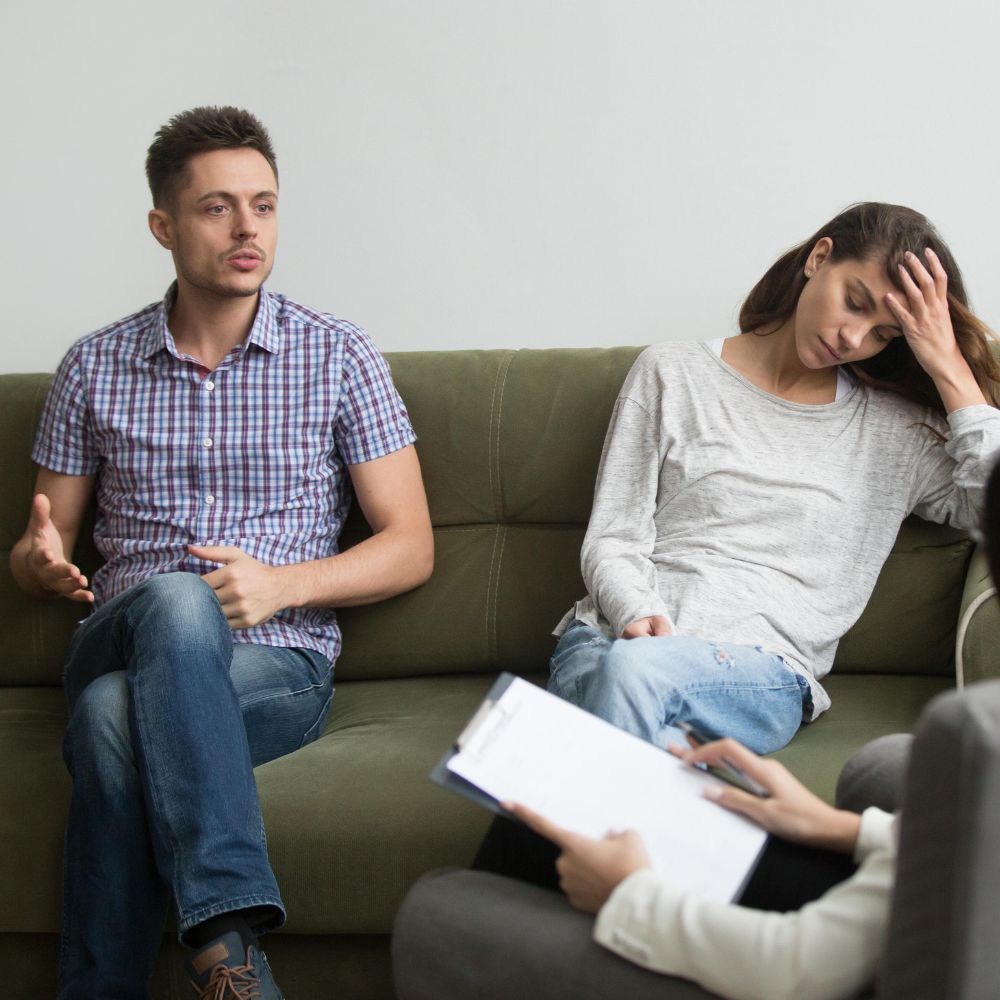
First, let’s clear up a few myths. Marriage counseling isn’t just sitting on a couch while a stranger tells you who’s right. It’s not a place for blame or forced apologies.
Marriage counseling is a structured process led by a licensed therapist trained to work with couples. You’ll talk, yes, but guided by someone who helps you understand patterns, improve communication, build empathy, and solve problems constructively.
It’s practical, emotional, and tailored to your needs. Counseling may include joint and individual sessions, exercises between meetings, and tools to manage conflict more effectively.
It’s not easy, but it’s not aimless, either. It has a goal: to help you rebuild trust, closeness, and shared direction.
The Research: What Do Studies Say About Success Rates?

There’s no shortage of research asking this very question, does marriage counseling work, and the results are encouraging.
Research supports that about 70%–80% of clients in couples therapy report real improvement compared to those without treatment, confirming that structured counseling like EFT, has strong clinical backing when executed effectively.
Success, however, is defined differently by each couple. For some, it means staying together. For others, it means ending the relationship respectfully. But overall? Most couples leave counseling better off than they came in.
Timing Matters: Why So Many Wait Too Long

Couples often wait until their relationship is deeply strained before starting counseling. By then, emotional walls may be high, and resentment may have built up. While counseling can still help, the process becomes harder and takes longer to heal.
Counseling is most effective when couples seek support early, when frustration first starts showing up, not after months or years of disconnection. Small misunderstandings can be cleared up faster, and communication can be rebuilt before patterns become destructive.
Starting sooner gives couples more emotional availability, more tools to work with, and less damage to repair. It also helps partners reconnect while they still feel invested in the relationship.
Counseling isn’t just a last resort, it’s a proactive step that can preserve and strengthen your connection. If you feel stuck, distant, or misunderstood, don’t wait. Getting support now can help you move forward with more clarity, compassion, and confidence in each other.
It’s Not Just the Couple—The Counselor Matters, Too
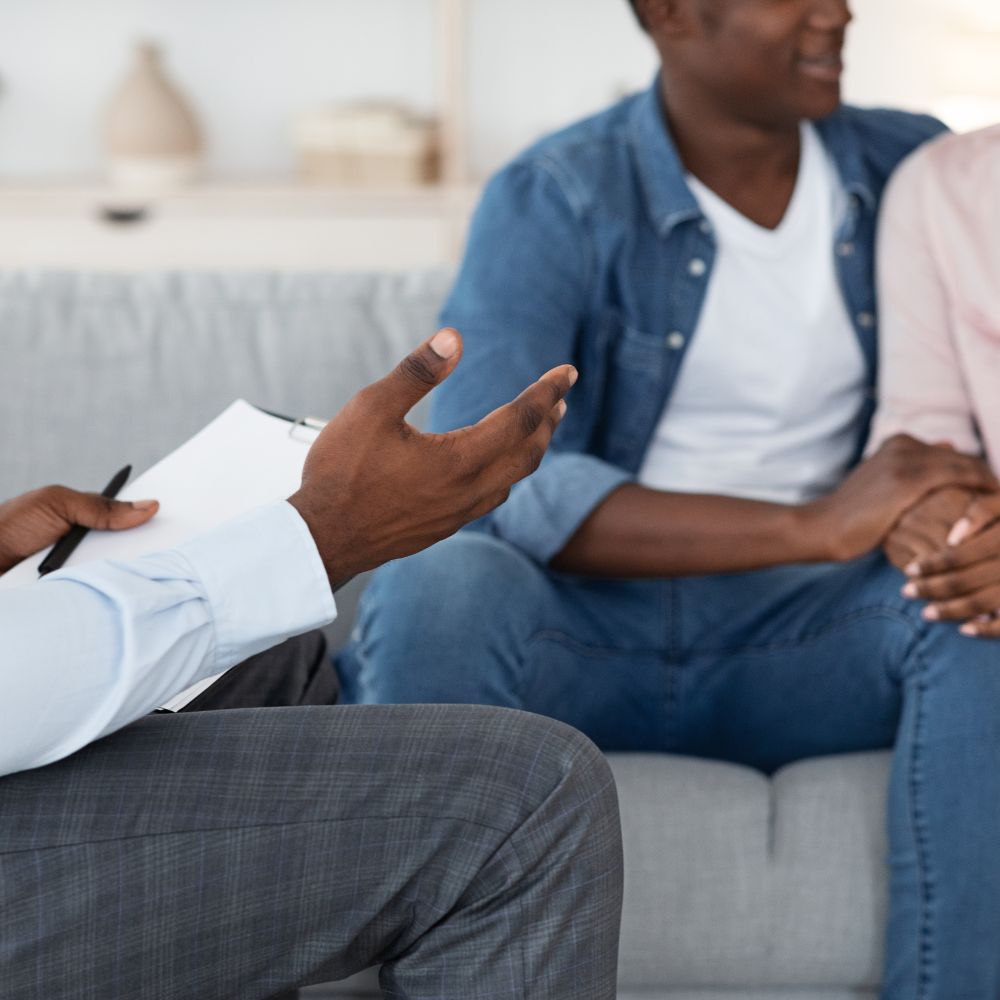
Not all counselors approach couples counseling the same way and not all are equally effective. The therapist’s training, experience, and approach can deeply influence your outcomes.
Relationship coaching supports both partners in feeling safe, heard, and accountable. Structured, evidence-based models move conversations beyond venting and toward real change. Here are a few of the most trusted methods:
Emotionally Focused Therapy (EFT)
EFT focuses on reshaping emotional responses to strengthen connection and security in the relationship. Rooted in attachment theory, it helps couples identify negative interaction cycles and build a stronger emotional bond.
The Gottman Method
Developed through decades of relationship research, the Gottman Method teaches couples how to manage conflict, deepen friendship, and create shared meaning. Therapists guide you through tools like love maps, soft startups, and repair attempts to foster healthier communication and lasting connection.
Cognitive Behavioral Therapy (CBT) for Couples
CBT focuses on how your thoughts, emotions, and behaviors influence your relationship. Couples learn to challenge unhelpful thinking, improve emotional regulation, and replace negative cycles with constructive habits that support emotional closeness and mutual respect.
Imago Relationship Therapy
According to research published in the National Library of Medicine, Imago Relationship Therapy emphasizes emotional safety and connection by exploring how childhood experiences impact adult relational patterns.
These approaches are backed by decades of effectiveness research and emphasize emotional connection, communication patterns, and conflict resolution.
Before committing, ask your counselor:
- What training do you have in couples counseling?
- What’s your success rate with clients like us?
- How will we measure progress?
What Does a Typical Session Look Like?

Every couple is different, but most start with an assessment. The counselor will gather your history, relationship patterns, and personal goals. Some therapists meet with each partner separately for context.
In ongoing sessions, you’ll explore triggers, communication habits, emotional responses, and conflict cycles. Your therapist guides you to speak honestly and listen deeply—without attacking or withdrawing.
It’s structured, but flexible. There’s room for hard truths—but also humor, empathy, and relief. You’ll leave most sessions feeling challenged, but more clear.
How Long Does Marriage Counseling Take?
Marriage counseling is a process, not a quick fix. The timeline varies, but having realistic expectations can help couples stay committed through the ups and downs.
Typical Duration for Couples Counseling
Most couples attend 12 to 20 sessions, usually weekly or biweekly. Some resolve issues sooner, while others continue for months or even years depending on their goals, trust level, and emotional wounds.
Signs It’s Time to Continue—or Pause
If you’re still making progress, feeling more connected, or learning new tools, it’s worth continuing. On the other hand, if counseling feels stagnant or unhelpful, it may be time to reassess goals or try a new approach with your counselor.
Should You Start with Individual or Couples Counseling?
Not everyone starts their relationship healing in the same place. In some cases, individual counseling may be the best first step before committing to joint sessions.
Why Individual Work Can Help the Relationship
Working on your own patterns, triggers, and emotional blocks can make you a better partner. It also helps you show up in counseling with clarity and accountability, especially if your partner is hesitant to participate.
When Couples Counseling Should Come First
If you’re both ready to work on your relationship, couples counseling is often more direct and efficient. A skilled therapist can guide your conversations in real time, helping you both learn to express needs and repair disconnection together.
When One Partner Isn’t On Board

This is a common roadblock: One partner wants to go to counseling, the other refuses. Can counseling still help?
Yes, individual counseling focused on relationship dynamics can still help one partner improve communication and emotional insight. And often, once one person starts showing up differently, the other becomes more open.
But for true change, both partners need to engage. You can’t force someone into growth but you can model it. And a skilled therapist will know how to meet people where they are.
How to Talk to Your Partner About Starting Counseling

Not everyone is ready to try counseling at the same time and that’s okay. What matters is how you bring it up. Start with calm, open language like, “I care about us and want us to feel better connected.” Avoid blame or urgency. Instead, focus on shared goals: better communication, less stress, more intimacy.
Make it safe for your partner to say what they’re worried about. Do they fear being blamed? Do they feel it’s pointless? Understanding their hesitation helps you both move forward. Offering to attend just one session together as a test run can also ease resistance.
Bringing up counseling is vulnerable. But approaching the conversation with empathy, patience, and curiosity can create the opening you need for healing to begin.
Setting Realistic Expectations for Progress

Let’s be honest, counseling is not a quick fix. Most couples need 12–20 sessions to see deep change. You’re unpacking years of emotional baggage, habits, and miscommunication.
Some progress will feel fast, like learning new tools for de-escalation. But rebuilding trust or rekindling intimacy takes consistency over time.
Set milestones, not deadlines. Focus on small wins, like having one calm argument, or expressing needs without criticism. The couples who succeed are the ones who stay with it, even when it’s tough.
What Makes Marriage Counseling Work?
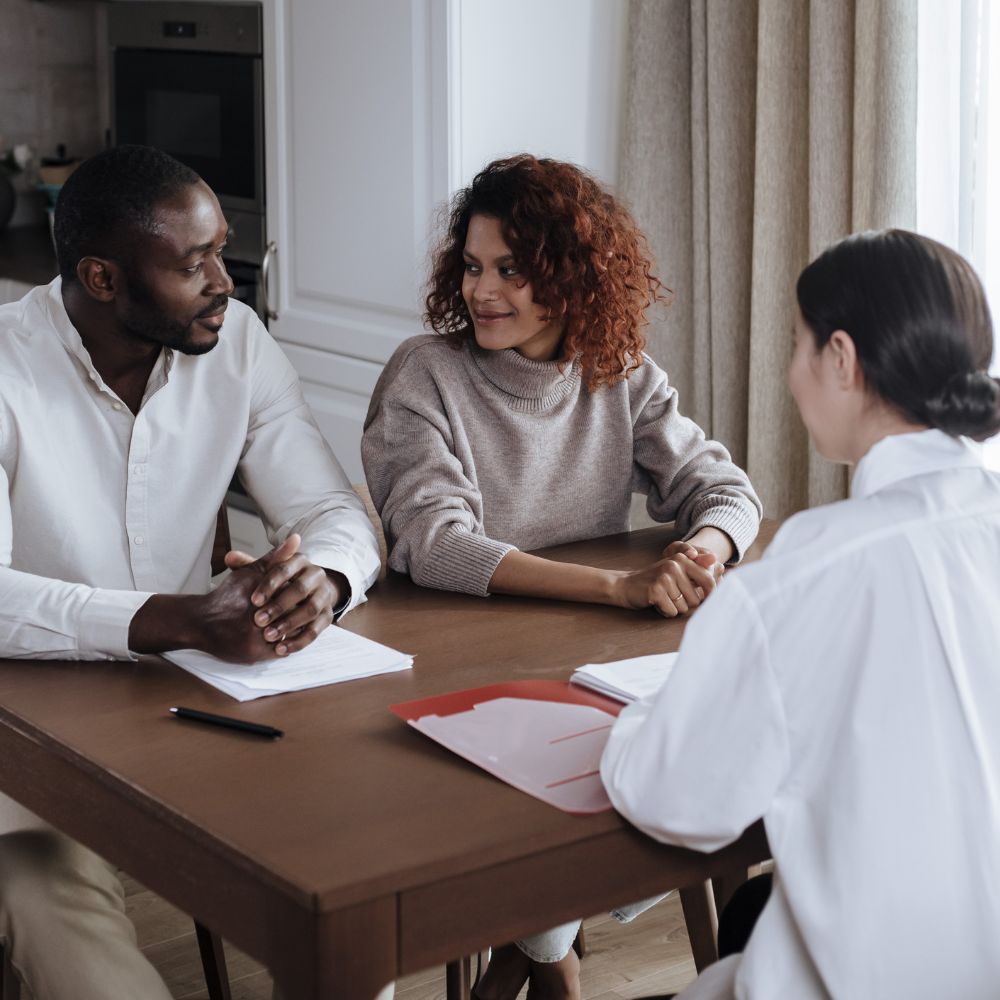
Successful couples counseling doesn’t depend on luck. It depends on intention, consistency, and the right environment. These are the key ingredients:
Shared Commitment to Growth
Marriage counseling succeeds when both partners commit to improving the relationship. This doesn’t mean everything is perfect, it means both people show up, even when it’s hard. Commitment builds the foundation for trust, emotional safety, and change that lasts long after the counseling sessions have ended.
Openness to Feedback
Counseling only moves forward when couples are willing to hear honest feedback. Being open doesn’t mean agreeing with everything, but it means listening without defensiveness. This space for reflection helps break toxic patterns and allows each partner to feel understood, which deepens emotional connection and creates meaningful growth.
Taking Responsibility
Blaming one another stalls progress. In successful counseling, each partner learns to own their role in the conflict. Taking responsibility helps shift from “you vs. me” to “us vs. the problem.” This mindset makes room for empathy, better communication, and a stronger partnership moving forward.
Doing the Work Between Sessions
The progress couples make in session must be practiced at home. Whether it’s through scheduled check-ins, using new communication tools, or completing assignments, consistency is key. Couples who stay engaged between sessions build trust faster and develop skills that permanently improve how they relate and respond to one another.
Guidance From a Skilled Counselor
A qualified therapist creates a balanced, non-judgmental space where both partners feel supported and challenged. The therapist’s role is to guide the process using proven methods, not take sides. When couples feel safe and respected, they’re more likely to open up, engage honestly, and commit to the work together.
When It Doesn’t Work—And Why

Not all counseling ends in success. Here’s when it tends to fail:
- One partner is emotionally checked out and not willing to return
- Counseling is used to “win” arguments, not reconnect
- There’s ongoing abuse or manipulation
- The couple refuses to take any action between sessions
In some cases, counseling helps couples see that separation is the healthiest path. That doesn’t mean it “failed,” it helped you make a more conscious, respectful decision.
Cost, Time, and Emotional Investment

What Marriage Counseling Typically Costs
Most sessions range from $100 to $250, depending on the provider’s experience and location. Some therapists offer sliding scale fees or bundled session packages, especially for long-term work. It’s worth asking upfront to understand what fits your budget.
How Much Time You’ll Need to Commit
Counseling usually requires weekly sessions over several months. This consistent schedule gives couples time to build trust, apply tools, and work through deeper issues. The longer the pattern of disconnection, the more time may be needed for real progress.
The True Cost of Waiting
Not doing counseling comes with its own cost. Emotional burnout, communication breakdown, or even separation. Many couples say the investment in counseling saved their relationship and avoided the higher financial and emotional price of divorce or continued conflict.
Why Couples Still Choose It

Couples counseling takes time, energy, and emotional honesty. It’s not easyand yet, thousands still choose it every year. Why? Because even when things feel strained, many couples still believe their relationship is worth the effort.
Counseling offers a space to reconnect without distractions, judgment, or blame. It helps partners break out of old cycles, learn new ways to communicate, and remember what brought them together in the first place. The process can be challenging, but it also creates space for growth, forgiveness, and emotional safety.
Many couples arrive in counseling feeling discouraged or disconnected. But over time, with the right support, they begin to feel hopeful again. They talk more openly, listen more deeply, and move forward with more clarity and trust.
You don’t need to have it all figured out. You just need a willingness to show up and a partner who’s willing to do the same.
Conclusion: Does Marriage Counseling Work?
Does marriage counseling work? Yes,when both partners show up with honesty, effort, and the right support, it absolutely can.
Counseling isn’t a miracle, but it is a powerful space for growth. It gives couples tools, perspective, and a renewed sense of possibility. Backed by research and lived experience, counseling offers a proven way forward, if you’re ready to take the step.
Need a starting point? Contact us today to schedule a consultation and talk about the next step for your relationship.
Frequently Asked Questions
How successful is marriage counseling?
Marriage counseling has a success rate of around 70% to 80% when both partners are committed. Results depend on timing, therapist skill, and willingness to work outside of sessions. Couples who start counseling early often experience stronger improvements in communication, intimacy, and emotional safety over time.
When should couples go to Counseling?
Couples should seek counseling as soon as conflict patterns, disconnection, or resentment start affecting the relationship. Waiting too long can make issues harder to untangle. Early counseling helps prevent deeper damage and gives couples better chances to reconnect before they emotionally check out or grow distant.
Can counseling save a broken relationship?
Counseling can help repair a broken relationship, but only if both people are open to change. It creates a space for honest communication, emotional healing, and learning new habits. Even couples on the brink have turned things around with skilled guidance and consistent effort between sessions.
What happens in a couples counseling session?
Couples counseling sessions focus on identifying patterns, improving communication, and rebuilding trust. A trained therapist guides both partners to express needs clearly, listen actively, and work through conflict without blame. Sessions may also include structured exercises or homework to build skills outside the counseling room.
Does marriage counseling work if only one partner wants it?
Counseling is most effective when both partners participate, but individual counseling can still help one partner shift patterns and improve the relationship dynamic. Sometimes, changes in one person’s behavior lead the other to become more open to attending sessions later.

