

Many people believe relationships should just work. But the truth is, even the strongest couples hit rough spots, and they often don’t know if they’re facing everyday stress or clear signs you may need relationship coaching. If you’ve ever found yourself wondering, “Is this just a phase, or do we need help?” you’re already asking the right question.
As a relationship coach with over 30 years of experience helping individuals and couples transform how they love, communicate, and reconnect, I’ve seen firsthand how quiet disconnection often leads to loud breakdowns. But it doesn’t have to get that far. Noticing early signs can help you rebuild before anything breaks.
In this article, we’ll walk through real, practical signs that indicate coaching could benefit your relationship.
What Is Relationship Coaching?

Relationship coaching is a structured and supportive process that helps individuals or couples identify patterns, improve communication, and strengthen connection. It is designed to guide people through challenges such as recurring conflict, emotional disconnection, or lack of clarity about their relationship needs and goals.
The focus is on practical shifts in behavior, mindset, and interaction. Coaching helps uncover blind spots in communication, unspoken expectations, or emotional habits that may be holding the relationship back.
Through intentional guidance and proven strategies, couples learn how to rebuild trust, create shared vision, and deepen emotional safety. According to a 2022 study in Current Issues in Personality Psychology, greater mindfulness in couples was linked to stronger communication and fewer destructive patterns in conflict.
As your coach, I don’t diagnose. I listen. I support you through real-time issues like communication breakdown, unmet needs, or growing apart. I help you spot the blind spots and build tools to reconnect.
1. You Can’t Seem to Talk Without It Becoming Tense
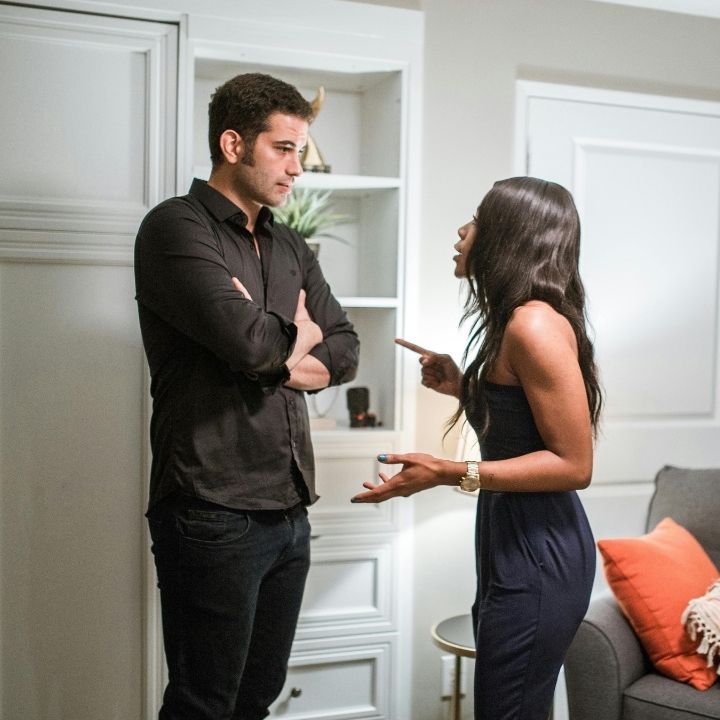
Let’s begin with one of the most common indicators: no communication that feels productive or emotionally safe.
At first, it may look like sarcasm or short responses. Then, certain topics become off-limits. Eventually, even asking how someone’s day was feels risky.
This isn’t just “communication issues.” It’s a slow erosion of emotional safety.
In coaching, we don’t just fix the communication tactics, we go into why it broke down. If it’s unspoken resentment, fear of conflict, or feeling dismissed, there’s always a reason. And we can uncover it, together.
2. You Keep Having the Same Arguments Over and Over

Every couple fights. But when you’re stuck in a loop, same topic, same frustration, those arguments tend to come from unspoken feelings and unresolved tension, not just surface-level disagreements. The repetition often reveals unmet emotional needs or long-standing disconnects that haven’t been fully addressed or understood.
“You Never Listen to Me” – Communication Style Clashes
This type of argument is less about the content and more about how something is said. Tone, timing, or body language can trigger defensiveness, even when the words themselves aren’t aggressive. When partners feel constantly interrupted, invalidated, or unheard, small disagreements quickly escalate into battles. This is a sign that your communication styles need attention, not just your opinions.
“Why Am I Always the One Doing Everything?” – Unequal Responsibility
Arguments about chores, parenting, or emotional labor tend to repeat when one partner feels overburdened or unacknowledged. This can lead to resentment and emotional fatigue. Often, it’s not the task itself, it’s the feeling of carrying the weight alone.
This is where relationship coaching helps partners create new agreements around shared responsibility and support.
“That’s Not What I Meant” – Misinterpretation and Assumptions
Arguments rooted in misreading tone, intentions, or meaning can happen weekly,or daily. When trust is fragile or clarity is missing, it’s easy to assume the worst. What was meant as a question is taken as criticism. What was meant as honesty is received as attack. These fights often become bigger than they need to be. Coaching helps you slow down and listen to understand,not to defend.
“Why Do You Always Take Their Side?” – Family and Boundary Conflicts
Tension about in-laws, parenting decisions, or outside influences can spark recurring fights, especially when boundaries are unclear. One partner may feel unsupported, while the other feels caught in the middle. These aren’t just about opinions, they’re about loyalty, values, and emotional security. Learning how to navigate external stress without damaging the internal relationship is essential.
3. You Feel More Like Roommates Than Romantic Partners

The shift from lovers to roommates doesn’t happen all at once. It starts quietly, fewer lingering touches, shorter conversations, less eye contact. Intimacy fades not just physically, but emotionally. Days blur into routines, and while everything looks “fine” on the outside, there’s a growing sense of distance.
You share space, tasks, maybe even laughs, but the deeper connection feels absent. There’s little warmth, little curiosity. You stop asking how each other feels and start operating more like coworkers or housemates. When affection, passion, and emotional engagement are replaced with silence or duty, that’s more than a dry spell, it’s a sign of emotional disconnection and problem that needs to be handled and acknowledged.
4. You’re Not Sure What You Want Anymore

When a relationship feels confusing or emotionally heavy, it can be hard to tell whether something’s wrong between you, or within you. That internal fog often creates distance, doubt, and hesitation.
You might find yourself asking:
- Do I still want this?
- Am I too exhausted to care?
- What happened to me?
This kind of emotional uncertainty is a quiet but powerful sign that something in the relationship isn’t aligned anymore. You may feel disconnected from your partner, your values, or even your own sense of self. It’s not always about wanting to leave, it’s about wanting to feel clear again. That loss of clarity is something to take seriously.
5. You’re Doing All the Emotional Work

Another silent warning sign is you feel like the partner who’s holding everything together. You’re the one reading books, initiating conversations, apologizing, or trying to “make things better.”
Eventually, this imbalance leads to burnout.
In healthy relationships, both people contribute emotionally, even if in different ways. If that effort is one-sided, resentment builds, even if you don’t say it out loud. As noted by Healthline, emotional imbalance over time can erode connection and create long-term dissatisfaction in one-sided relationships.
A coach helps both partners recognize where emotional labor is unequally shared, and how to rebuild a shared commitment to doing the work together.
6. You’ve Lost the Ability to Be Vulnerable

You used to share everything. But now, deeper topics feel off-limits. You’re afraid of being misunderstood, dismissed, or having your emotions used against you.
The loss of emotional intimacy doesn’t happen loudly. It starts with feeling unsafe showing your true self.
This is one of the strongest signals that coaching is needed. Relationships thrive on vulnerability, but only when both people feel safe. In our couples or marriage counseling sessions, we create that safety and rebuild trust, one honest conversation at a time.
7. You Avoid Difficult Conversations Completely

When “it’s not worth the fight” becomes the unspoken rule, you stop talking altogether.
Here’s the hard truth: silence isn’t peace, it’s avoidance. And avoidance is just delayed pain.
You might think, “We don’t want to make things worse,” but avoiding conflict is making things worse. Over time, it erodes the foundation of trust issues and fosters loneliness.
A great therapist might explore the origins of that avoidance. As a coach, I focus on what conversations you need now, and how to have them safely, without blame or explosions.
8. You Keep Hoping Things Will Change But They Don’t

One of the most common things I hear from clients is, “We thought it would get better on its own.”
Waiting rarely helps. Especially if you’re dealing with recurring conflict, missed expectations, or emotional detachment.
If you’ve tried talking, changing your tone, being more affectionate, or even following articles on how to reconnect, and nothing sticks,it’s time to try something that does.
Coaching isn’t about magic answers. It’s about bringing structure, support, and forward movement to something that’s stuck. And sometimes, just one session is enough to shift everything.
9. You’ve Grown Apart and Don’t Know How to Reconnect

Not all relationships fall apart because of arguments. Many quietly drift into emotional distance. You go about your days, side by side, without truly connecting. Then one day, it hits you, “We don’t share much anymore.”
Conversations feel flat. Moments of laughter are rare. You may still care about each other deeply, but the bond feels thin, like you’re living separate lives under the same roof.
This type of disconnection often comes from a lack of shared focus. You’re no longer moving toward the same goals, and that loss of mutual intention can feel like the slow fading of the partnership itself. It’s not always dramatic, but it’s just as serious.
10. You’re Tired of Feeling Alone in the Relationship

Feeling alone while in a relationship is more painful than being single. And it’s one of the most overlooked signs you may need relationship coaching.
Loneliness inside a partnership often stems from years of missed bids for attention, emotional walls, or assumed rejection. You stop reaching out because you expect to be let down.
This isolation isn’t a verdict. It’s a signal. A sign that something important, connection, needs attention.
A love coach doesn’t just help you “love better.” We help you feel safe enough to love again, openly, honestly, and fully.
What a Relationship Coach Actually Does

Let’s be honest: “coach” can sound vague. So let me make it clear.
As a relationship coach, I:
- Help you get radically honest, without guilt or blame
- Identify patterns that keep you stuck
- Support both partners in being heard and understood
- Teach practical tools for improving communication, repair, and intimacy
- Offer structure where your relationship feels chaotic
How a Relationship Design Review Can Help

Our first session together isn’t a couples therapy intake. It’s a Relationship Design Review, a focused, 75-minute session dedicated to understanding what’s not working and clarifying what you truly want moving forward.
Here’s what you’ll walk away with:
- Insight into your relationship’s current structure
- Clarity around the root of your recurring challenges
- A personalized roadmap to start reconnecting and rebuilding
- Hope, direction, and actual emotional relief
If you’re in dating, long-term marriage, or somewhere in between, this session offers powerful clarity and a new path forward.
Seeing the Signs? Here’s Your Next Step
Noticing the signs you may need relationship coaching doesn’t mean your relationship is broken, it means it’s asking for your attention. Your relationship dynamics, repeating the same arguments, feeling emotionally distant, or struggling to connect are all signals that something important needs care. With the right support, couples don’t just fix problem, they build stronger, more meaningful connection than they’ve ever had before.
If you’re seeing these signs in your relationship, it’s time to take action. Coaching offers the clarity, structure, and support to help you and your partner communicate better, reconnect, and create the partnership you truly want. Contact us today to schedule your Relationship Design Review and take the first step toward lasting, real change.
Frequently Asked Questions
Can relationship coaching work if only one partner is interested?
Yes. Couples counseling or coaching can start with just one person. Positive change in one partner often influences the overall relationship dynamic. Individual coaching can clarify your needs, build emotional awareness, and even invite your partner to join the process over time, without pressure or ultimatums.
How long does it take for relationship coaching to work?
Some couples feel a shift after just one session. Others commit to 3–6 sessions for deeper, lasting change. The timeline depends on your goals, openness, and consistency between sessions. Relationship coaching isn’t quick-fix therapy, it’s about creating sustainable habits that restore connection.
What’s the difference between relationship coaching and therapy?
Relationship therapy often addresses trauma, mental health, and deep emotional wounds. Coaching is more future-focused and practical. It helps with communication, trust, conflict resolution, and emotional reconnection. If you’re not in crisis but feel stuck or misaligned, coaching may be the right step.
Do couples to be in crisis to start relationship coaching?
Not at all. Couples coaching is most effective when you catch disconnection early. It’s for couples who want to grow, prevent long-term issues, or rebuild a deeper connection. You don’t need to wait until things feel unbearable, coaching works best when you still have willingness and care.
Is marriage counseling or coaching better for dealing with trust issues?
Marriage counseling or coaching support couples in rebuilding trust. The process focuses on restoring honesty, emotional safety, and mutual understanding. When trust has been damaged, consistent communication, clear boundaries, and a renewed sense of commitment can create the foundation needed to reconnect fully.

